Did you know that you can suddenly get lactose intolerance even though you were OK with dairy products for the longest time?
That happened to my friend D. She was the biggest fan of dairy (Milk! Cheese! Cakes! Milk tea!) so she’s now missing out on a lot of her favorite food.
That’s why I instantly thought of D when I saw lactose-less milk in an Arequipa supermarket. I even snuck a photo on my phone.
Even though there’s high lactose intolerance among Asians, I’ve not seen such a product in my life. I wonder if there’s a market for it in high-income countries such as Singapore and Japan. (Please do steal my business idea.)
0% lactose milk taste test
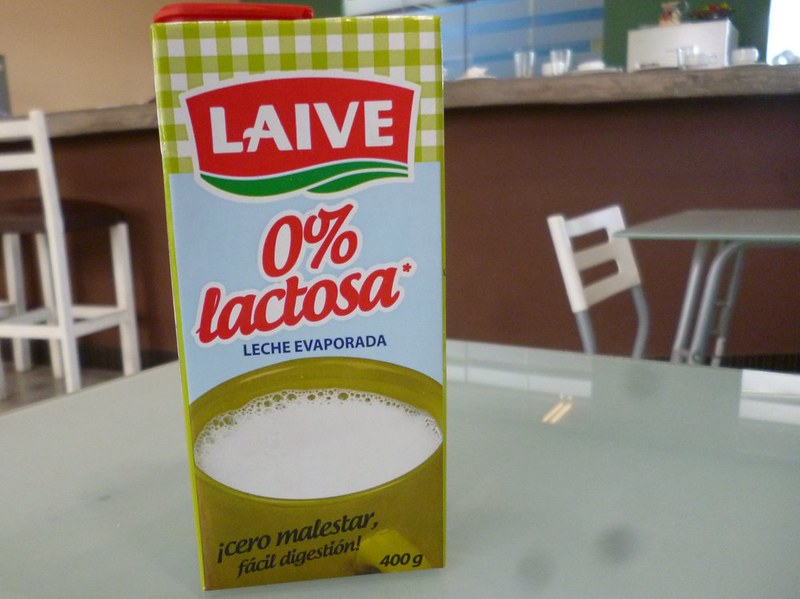
The lactose-less milk was available in a 1 liter plastic bag or in small boxes. I bought the 400g box because I don’t think I was able to finish a liter in a week.
0% lactose milk
0% lactose*
Evaporated milk
Zero discomfort, easy to digest
400g
I then discovered that the box was actually evaporated milk and not whole milk. Oh well, I can add it into my coffee in the morning. (I also added equal parts of water to the milk to make it whole milk.)
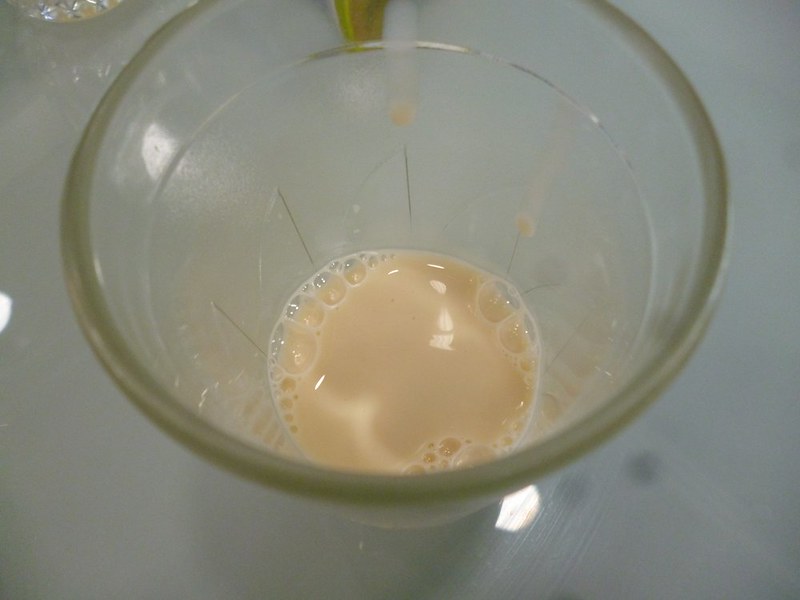
Color of lactose-less evaporate milk is the same as regular evaporated milk. I was expecting something paler.
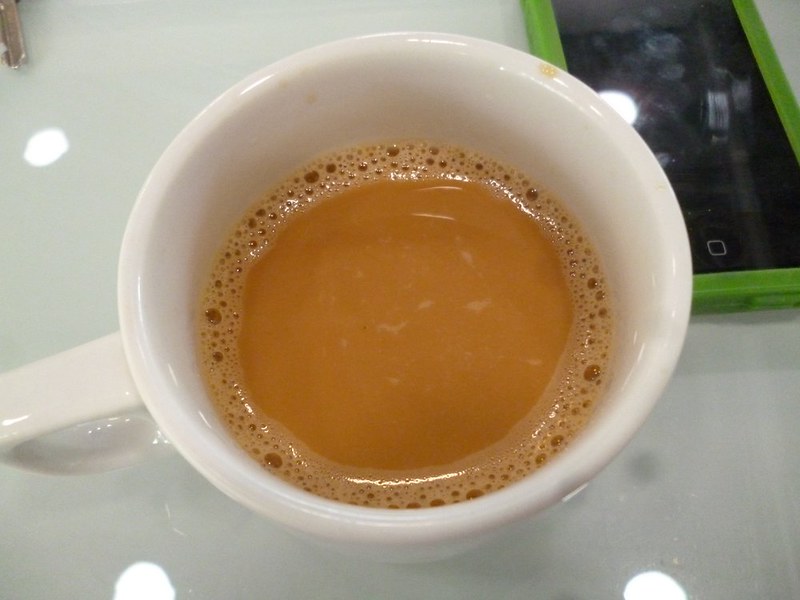
One morning, I used the lactose-less milk in my coffee instead of the regular milk the hostel provides.
Surprisingly, it tasted the same!
Kopi C suitable for the lactose intolerants
I also made a submarino with the lactose less milk. (The how-to will I’m glad to report that the submarino did not cause “symptoms of lactose intolerance”.
Someone really should start a lactose-less milk business in Singapore.
More from the lactose-less milk box
Nutritional label of lactose-less milk
On left:
0% lactose*
Address bla bla bla
Ingredients: Low fat milk, Vitamins (A, C and D), stabilizers (E-399, E-407) and lactase enzyme
*(LDD) Detection limit 0.01g/ml
Suitable for celiacs
100% cow milk, low fat, ultra pasturized and homogenized
Would you invest in my lactose-free milk business?
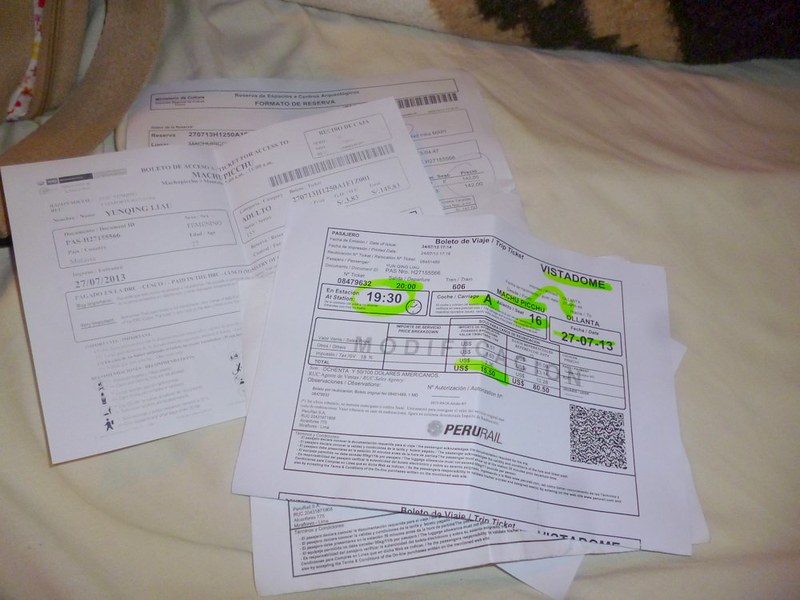
Finally, it’s the day I take the train to Machu Picchu. Or at least that’s what it says on my train ticket.
In reality, the train to “Machu Picchu” stops at a little town called Aguas Calientes (Hot Waters). This town is deeply hated by travel guidebooks and sites, I’ll talk more about it tomorrow since today it’s all about my train ride.
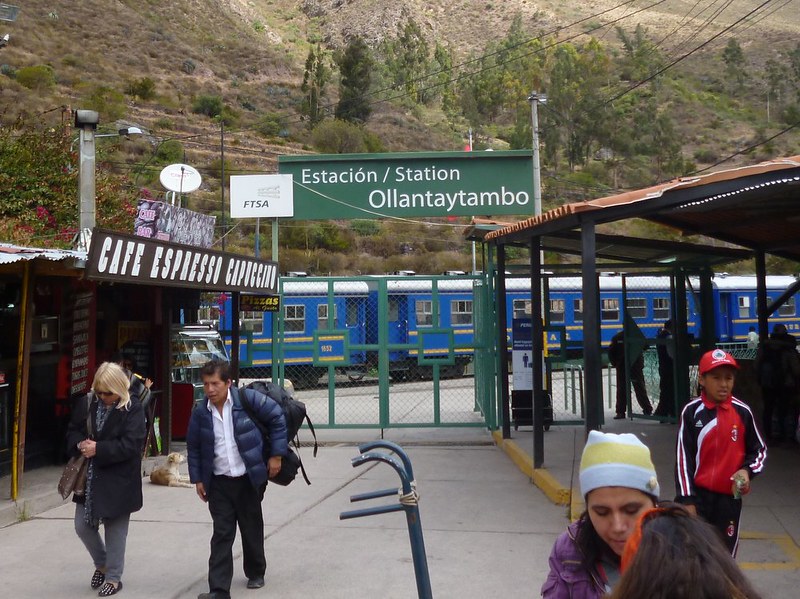
My train to Machu Picchu starts at the town of Ollantaytambo. I spent two nights there but you can easily access the town from Cusco in not more than 2 hours’ time.
Ollantaytambo train station
Ollantaytambo’s train station is at the very end of the road where the two ticket counters are. Along the road, there were stalls selling woollen things and even food.
There was a group of school children who were about to take the train when I was at the station. They were quite prepared as most of them each had a roll of blanket strapped to their bag.
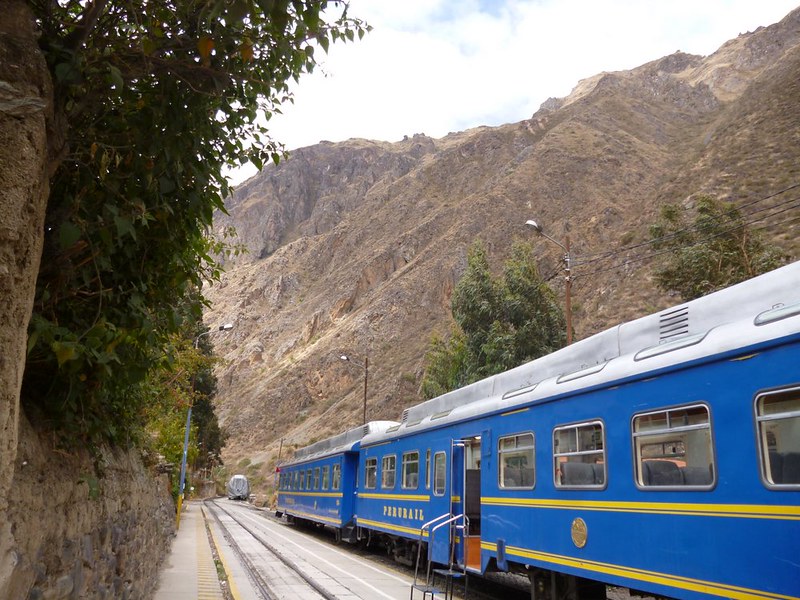
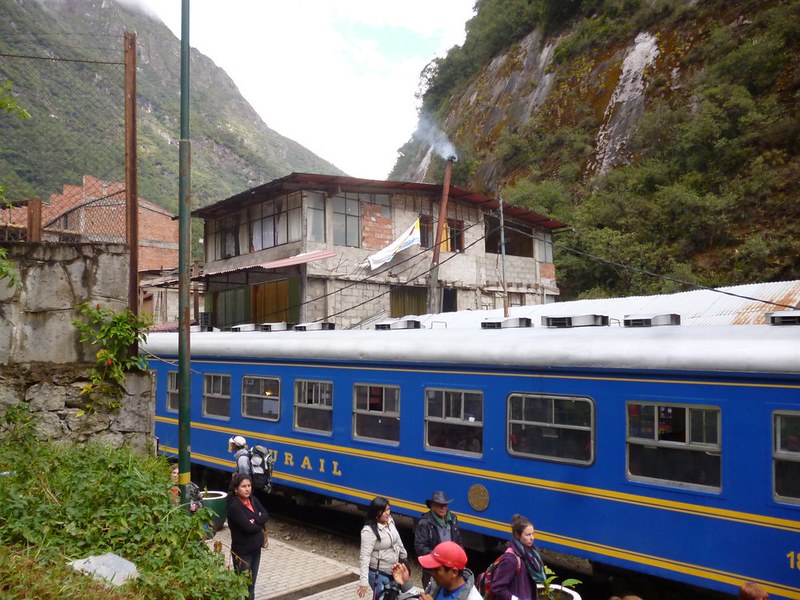
All aboard the Peru Rail train!
The train ticket says everyone needs to be at the station half an hour before the train leaves. They let passengers into the train area well before that.
The guards checked everyone’s ticket with their identification so remember to have your passport in hand.
After the ticket check, I tried getting onto a carriage. The lady in the carriage asked me, “What do you want?” and then “You cannot come in yet. Thank you.” when I told her that I was looking for my seat.
I got out of the carriage with a cheery “You’re welcome!” and stood by the side of the train. At least the view was good.
View of mountains surrounding Ollantaytambo
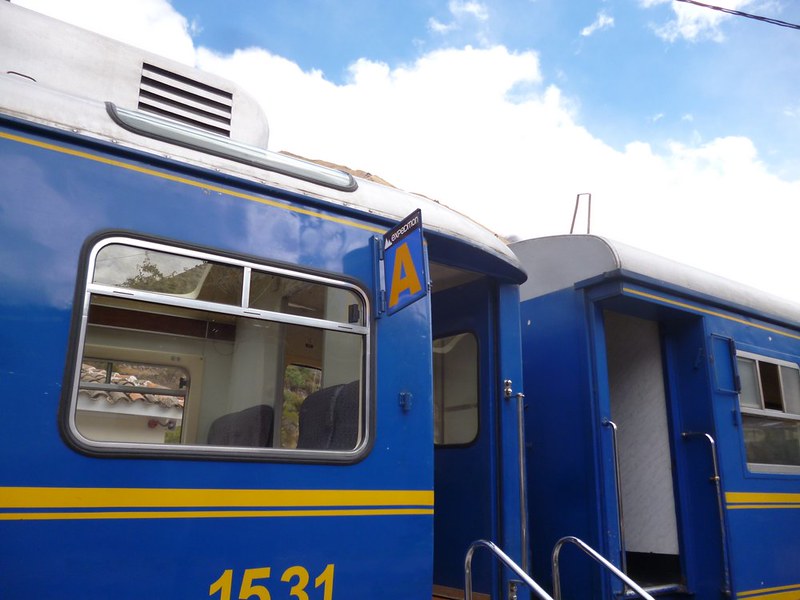
Soon, the Peru Rail employees started putting out the carriage letters. It was strange since the order was A-C-B. Anyway, I got onto my carriage after the carriage attendant checked my ticket and my passport once more.
Machu Picchu carriages are not in alphabetical order
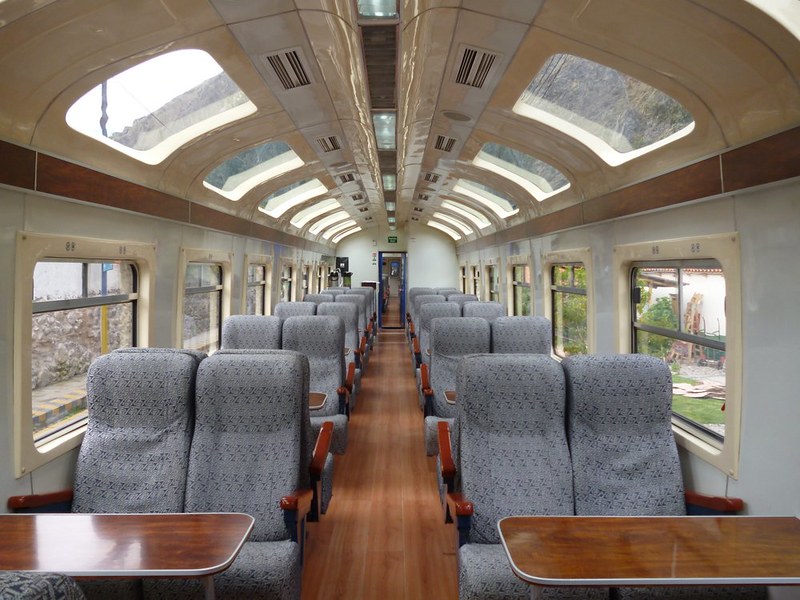
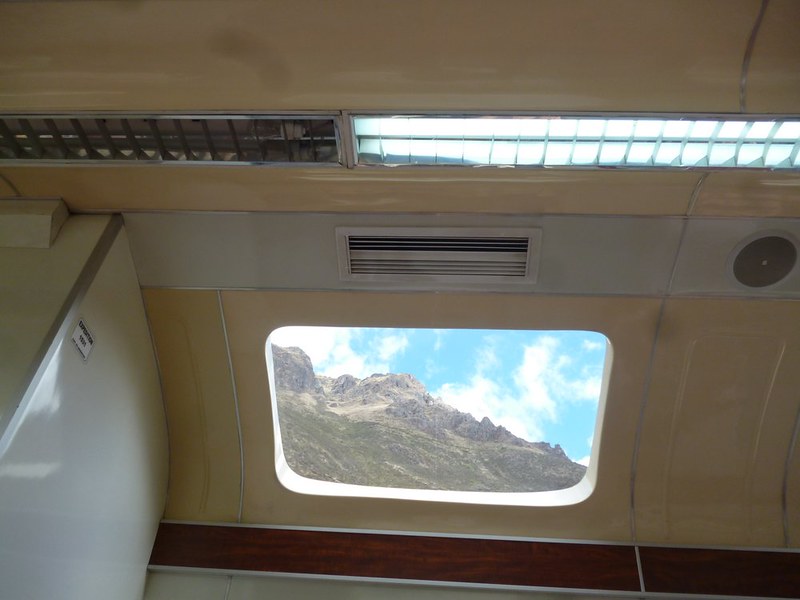
The Expedition carriage is the cheapest ticket for foreigners. The carriage has windows on the roof so passengers can admire the sky and tall mountains and get a bit of sun bathing.
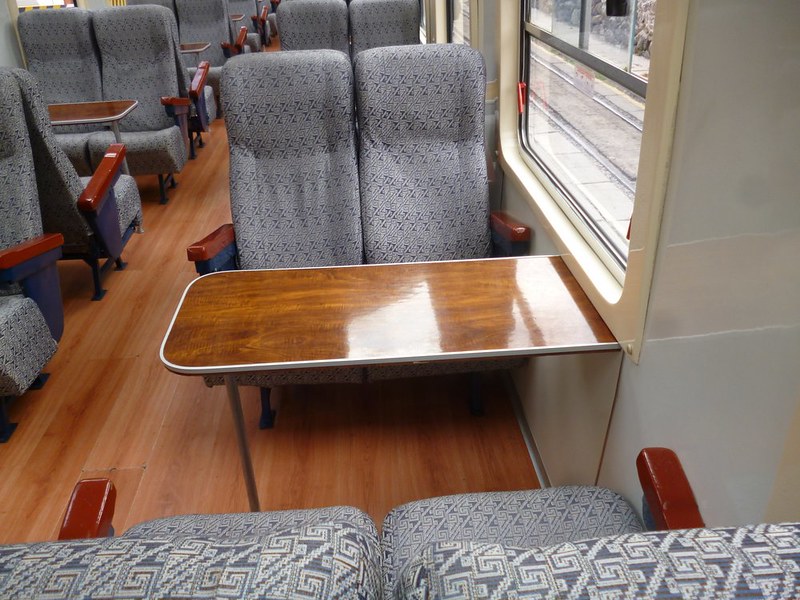
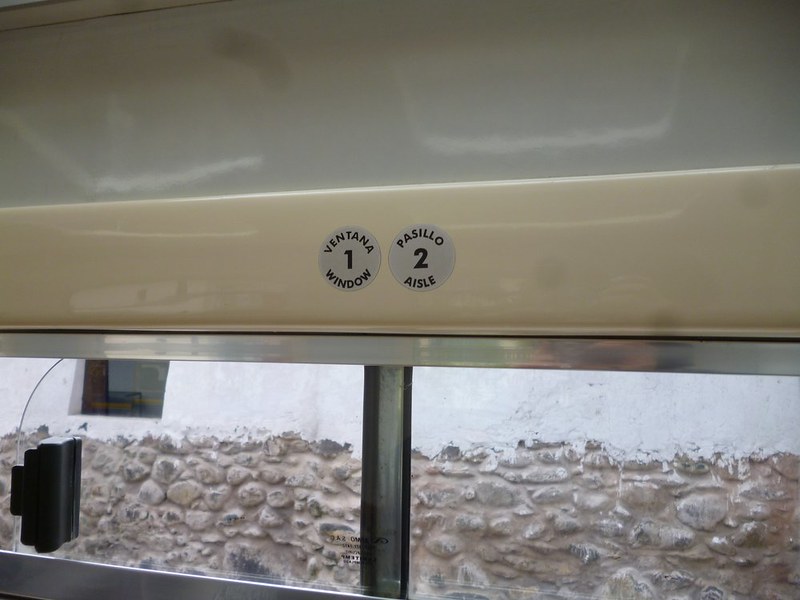
Expedition train to Machu PicchuSeats on Expedition class train to Machu PicchuSee the sky from your seatSeat number on Expedition train to Machu Picchu
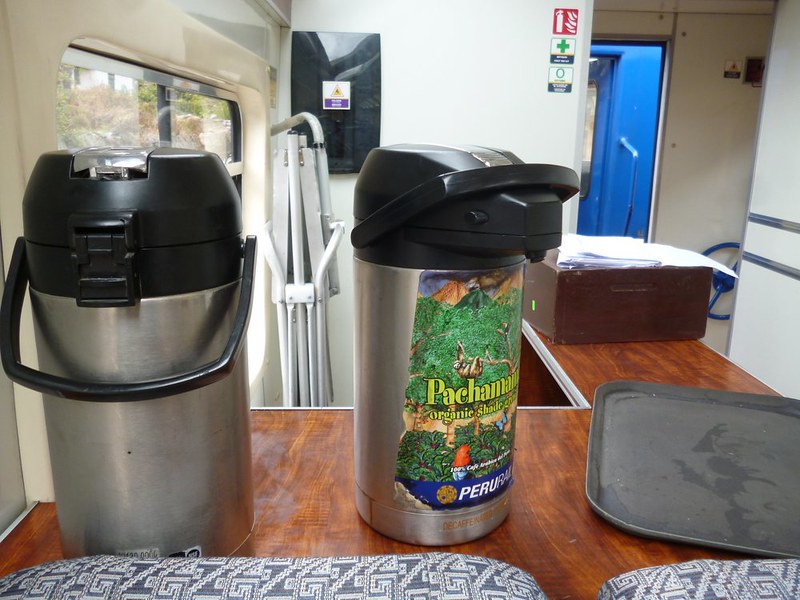
My A-1 seat was right next to the window, in front of the food preparation center. The person beside me never came so I had the two seats to myself.
Drink station on Expedition class train
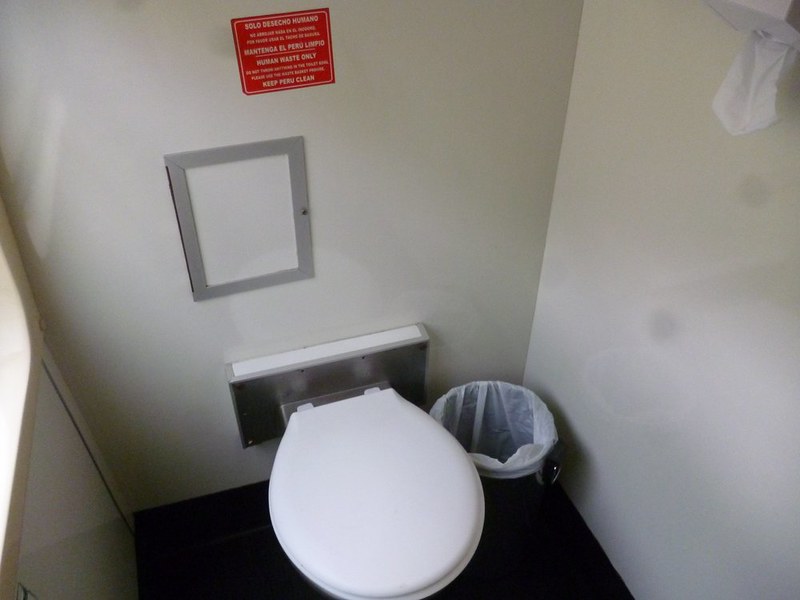
I also checked out the toilet before anyone else came on board. It was the largest train toilet I’ve ever seen. I think it can fit 5 people standing up.
Huge toilet!!
While we were waiting for the train to leave, I looked outside and saw several passengers and a Peru Rail employee on the phone, huddled in a circle. It seems to me that there were problems with the train tickets. One of the passengers had a large backpack with a hiking stick.
I tried to imagine if that was me and that Peru Rail told me that there were problems with my ticket and that I cannot go to Machu Picchu. It felt like yesterday all over again so I stopped imagining.
When the train pulled out of the station, the people-with-ticket-problems did not get on board. I hope they eventually reached Machu Picchu.
Coffee or tea?
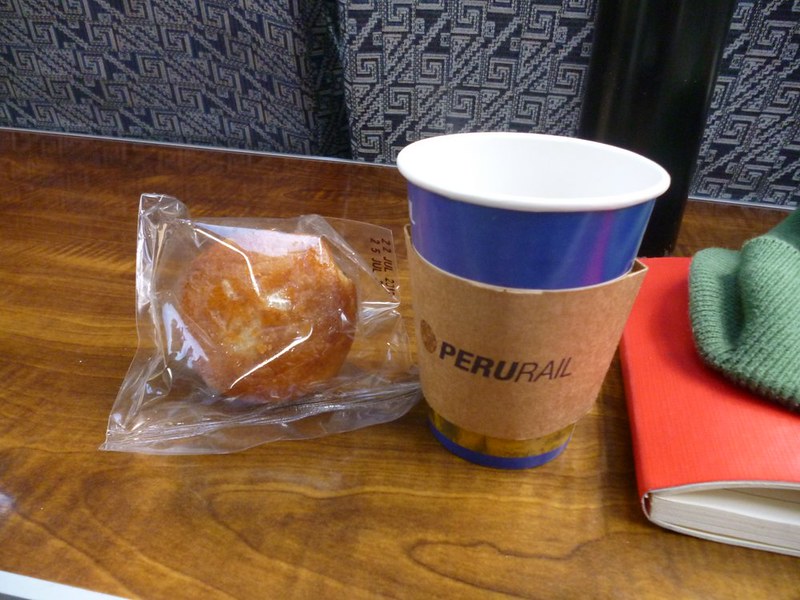
About 30 minutes into the journey, we were served one drink and one snack. I got myself a black coffee and a muffin.
One drink and a snack is included in the Expedition train ticket
While the Peru Rail employees were serving the drinks, I realized that the guys were a lot taller than the average Peruvians. I really wanted to ask them if height was included in the job requirement, as do flight attendants.
Back to the train ride. The view along the way was great but the sun was so bright that I kept my face hidded next to the wall to avoid sun face.
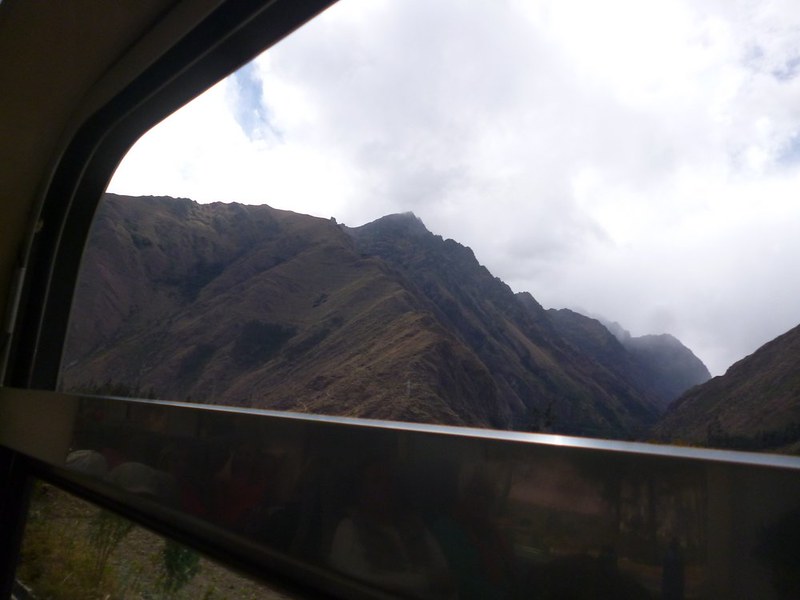
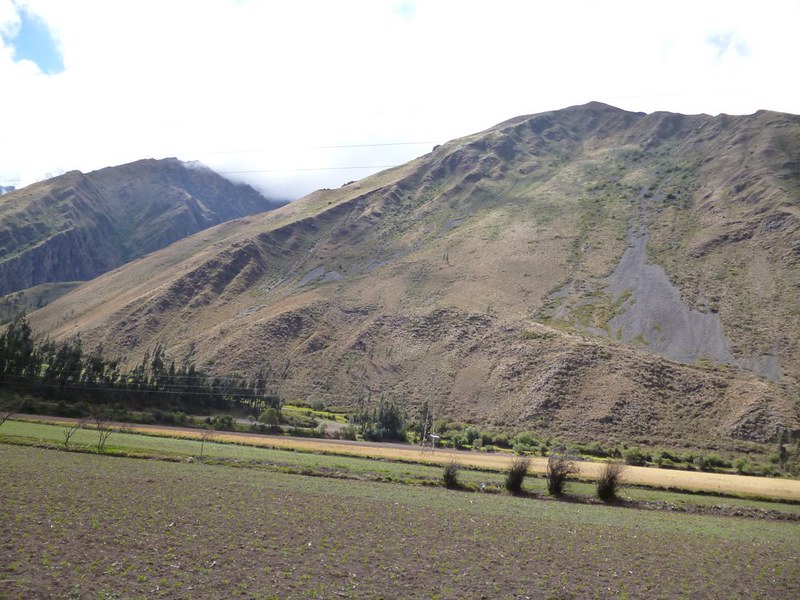
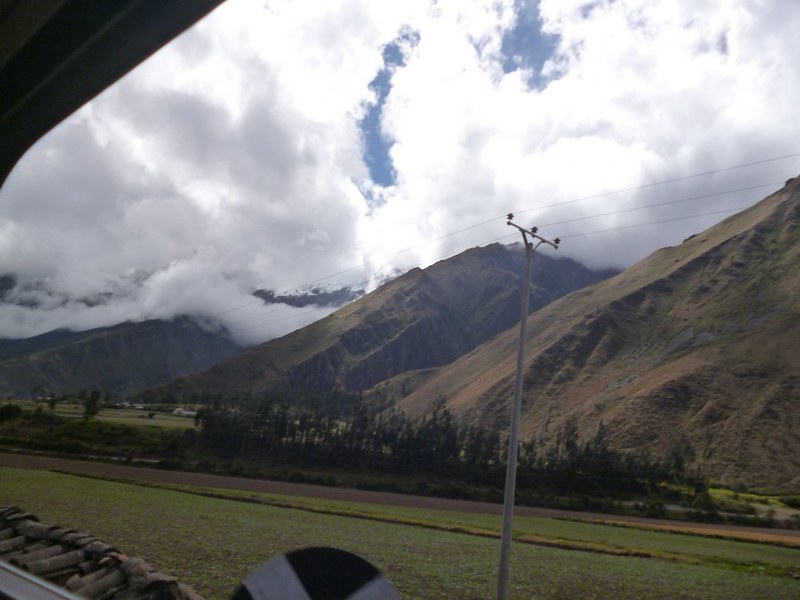
View from Expedition train to Machu PicchuMountain view (not Google’s address)Not the Swiss Alps but beautiful in their own way
On the far right of the was a snow-capped mountain, which I found out is called Veronica, while on the right were grass-patched mountains. We even passed the Inca Trail, as a tour guide for the group sitting in front of me announced.
The lady who sat on the seat across mine was Taiwanese. She gave me a lot of information on sights in Peru, allowing me to narrow down what I want to do these last 10 days.
The train ride ended quite soon and we got into the concrete town of Aguas Calientes. My hostel sent someone to pick everyone up which was a good thing since the tiny paths can be quite confusing.
The “ugly” town of Aguas Calientes
As promised, I’ll write more about Aguas Calientes tomorrow.
Location: Ollantaytambo -> Cusco -> Ollantaytambo, Peru
I had to travel from Ollantaytamnbo to Cusco and back just for one ticket
You know how in Greek legends the gods are really assholes. They hang about on Mt Olympus, eating and drinking.
Then one day, one of them would say, “Hmm… Life’s a bit boring for HERO’S NAME. Let’s spice things up and send him on a journey. We’ll throw in a few hydras and sirens along the way.”
I feel that this is the same for my upcoming trip to Machu Picchu. On Saturday, I discover that the cheaper trains leaving MP on the 24th were all sold out so I booked tickets for one day later.
I also reserved one entrance ticket to the Incan City of Machu Picchu. I wasn’t able to pay it online and went to the bank too late as it was closed after lunch time on Saturdays. Since there were still about 1,400 tickets left, I wasn’t worried and decided that I should that buy it at Aguas Calientes.
My own mini Greek epic journey started this morning when I thought that I should check how many tickets are left of Machu Picchu.
When I reached the site, I thought something was wrong since the ticket count showed zero for the 24th, 25th and 26th.
At first I thought that it was a glitch in the system so I checked it again. Oh no… There are really no tickets for the next 2 days. What am I supposed to do?
I almost cried into my coffee, thinking about how tragic it is to not see Machu Picchu when it’s the main reason I am here in South America. Then I remembered that I paid about US$120 for the return train tickets to Aguas Calientes. All that money for nothing? I felt like crying more.
But as I’ve found out a few years ago that crying doesn’t help with anything, I decided to start thinking of a Plan B. Perhaps I could buy a later entrance ticket and change my train tickets. (At this point, I had no idea if changing train ticket dates was possible.)
Tripping stone 1: Wrong info from locals
I asked the reception-boy if I could buy tickets to Machu Picchu here in Ollantaytambo. He answered, Yes, at the train stations for Peru Rail and Inca Rail.
It sounded like he was talking about train tickets so I changed my questions. Do they have tickets into [point two fingers into an imaginary box in front of me] Machu Picchu.
The boy replied “Yes” once more. The hotel ady nearby frowned and asked a man nearby if there were entrance tickets to MP at the train station. The guy said “Yes” too.
So off I went to the train station, which was about 10 minutes walk away. I forgot to put on sunscreen so I had to go back to my room and slather on some.
Off I went again to the train station. When I got there, the severe lady behind the counter said that they only sold train tickets and not entrance tickets. But she noted that I could buy them in Aguas Calientes (US$50 train ride away).
I told her about the zero ticket situation and she said that I still need to check with the culture center. She did tell me that I can change the dates of my train tickets with some penalty charges.
I tried my luck at the Inca Rail counter and the man said that I could only buy the entrance tickets at Aguas Calientes or Cusco.
Tripping stone 2: System down
I decided that the only thing to do is to head to Cusco to buy my ticket. Before that, I popped in several travel agencies in town to ask if they could buy me the tickets.
Two agencies did not have any persons in the office. The third had two foreign customers so I figured that the employees would arrive soon.
She did come in the end but it wasn’t as soon as I liked. However, she said that they do sell tickets. I told her about the zero ticket situation which she said was quite rare but possible since there is a long weekend ahead.
The travel agent went online to the official Machu Picchu website. Unfortunately, the webpage could not load.
I asked if I should head to Cusco. She didn’t look very happy with that, adding that, “You could, if you wish.” (A new tense I learnt last week.)
Tripping stone 3: Where is the bus?
I went back to my hotel and got everything ready. I brought more money than I need, my credit card, passport and a map of Cusco which I luckily took from my hostel in Arequipa.
I made a tumbler of sweet tea because it calms me down. I got to work googling where there INC (National Institute of Culture of Peru) was and memorizing the location on Google Map. It was quite easy to find the place since it was only a block from the main square.
I walked to the road where my bus from Cusco passed by, thinking that I will catch the bus once it begins its return trip.
I waited 30 minutes (I counted) and still no bus. I decided then to walk to the main square since I vaguely remember that it was where the buses must leave from.
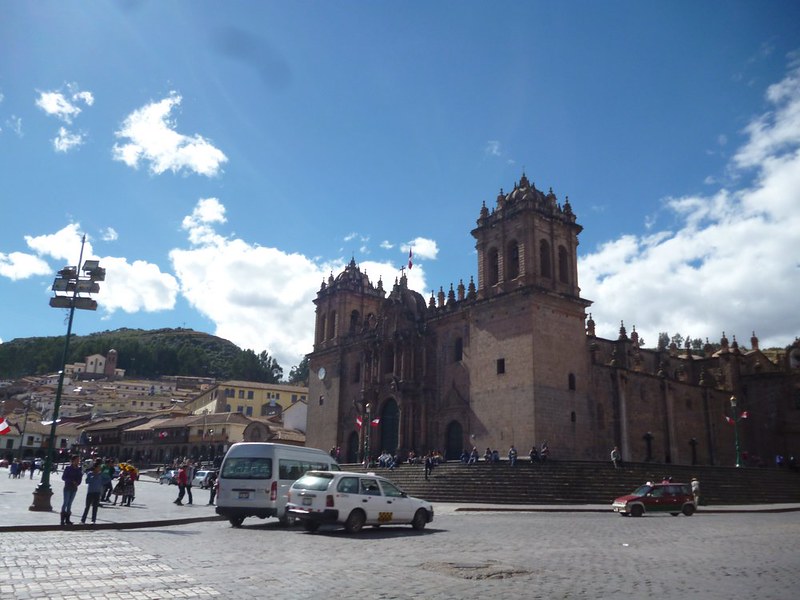
There, I spotted several vans parked at the far end of the square. I used to think that it was a dead end but realized then that it was a temporary parking space for the vans.
One new-looking van arrived and many people rushed to it. The driver said it was heading to Urubamba and that I could take another van to Cusco from there.
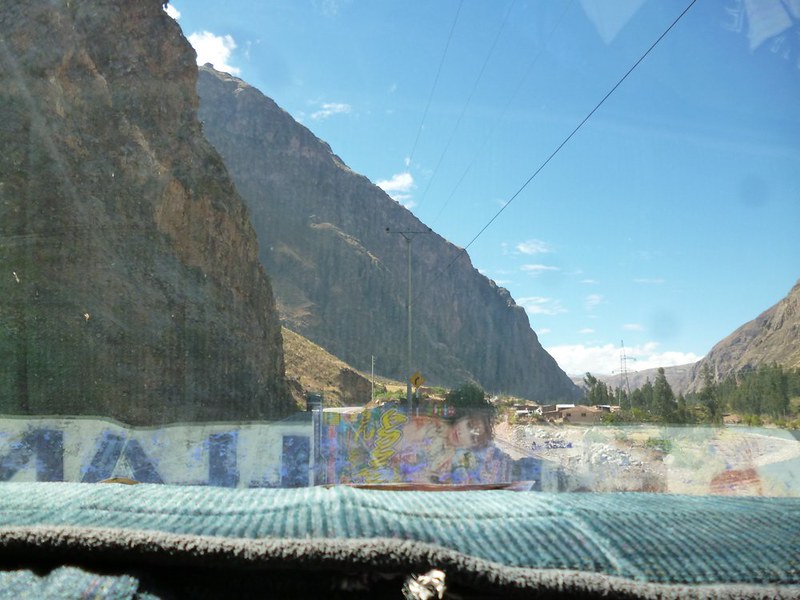
I got into the front seat and admired the beautiful scenery along the way. I switched to a shared taxi at Urubamba. The whole trip cost me 9 soles, just 1 soles cheaper than the direct van.
Front seat view from the collectivo
Tripping stone 4: Damn you Google Maps
Finally, we reached Cusco. Using the map, I crossed the car-infested lanes of Cusco and tried not to slip on the cobbled stone paths.
When I reached the building, it was surprisingly empty. I went into one of the doors. A security guard was nodding off when I peeped in. I asked if this was the place to buy tickets to Machu Picchu.
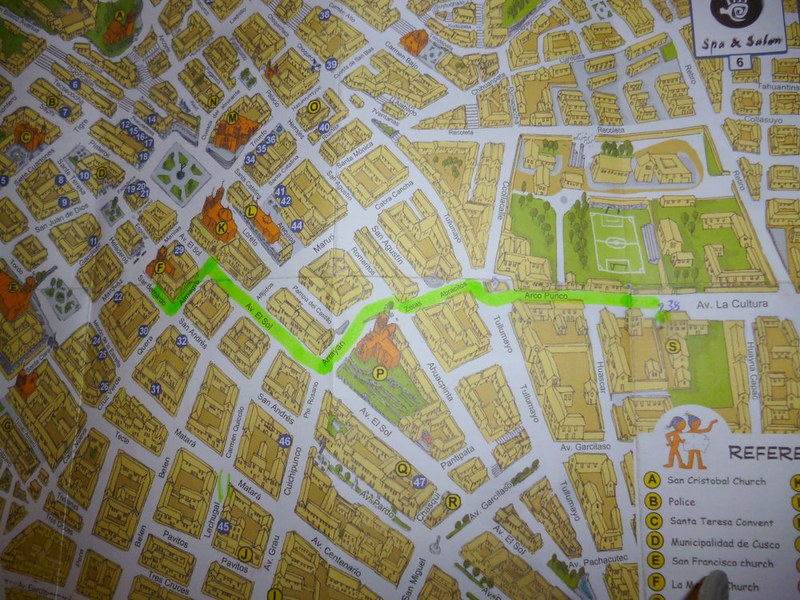
At first I thought his reply was that it was lunch time so the office is not open. He asked if I have a map. I passed him mine and he highlighted some streets and pointed to a location far away. I thank him and went off with my map.
Correct way to buy the Machu Picchu tickets
Later I realized that the office had changed but the Google Maps address hadn’t.
Even with the map, the roads in Cusco were not very friendly. I kept thinking that I was walking in the wrong direction when it was right.
The sun was blazing hot and the smooth cobbled stone streets were not helpful with the trek to the correct ticket office.
I passed the place marked on the map but it seemed to have a different name. I had to ask a security guard who pointed me to the right direction.
Tripping stone 5: No more tickets for the 26th
The office was full of ticket buyers. The queue even went out of the doors a little. I stood impatiently while the man at one of the counters had a tall stack of passports.
It was finally my turn when passport-man was done. The lady behind the counter looked exactly like Aubrey Plaza with glasses, a little weird since I was reading about the celebrity just this morning.
Aubrey Plaza told me that there were no tickets for the 26th. And that only the combo ticket (Machu Picchu and Montana) were available.
I decided that I really need to see Machu Picchu so to hell with the train tickets if I could not change the dates.
Payment went smoothly since my bad luck was with one guy at the payment counter who tried multiple Visa credit cards but still could not pay.
With my tickets, I was thrilled and also very hungry. I didn’t want to stop in places where tourists were in so I walked for a long while before I reached a place full of people and the lovely smell of fried pork.
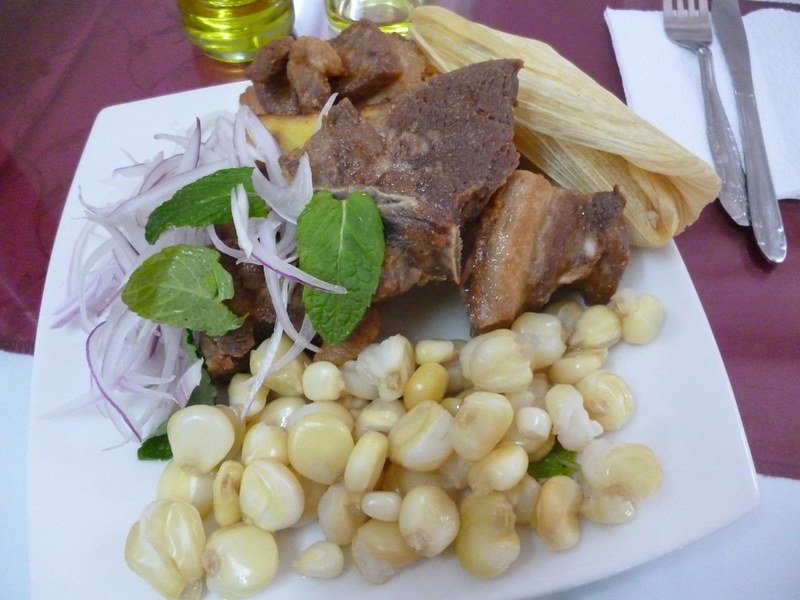
It was a fried pork place. My serving had so much pork fat that a person who picks out the faty parts could chew on tough meat. Of course, I am not that person so I thoroughly enjoyed chewing through my fried fatty pork.
Chicharrón loaded with fat and cholesterol
Tripping stone 6: Train station closed for the day
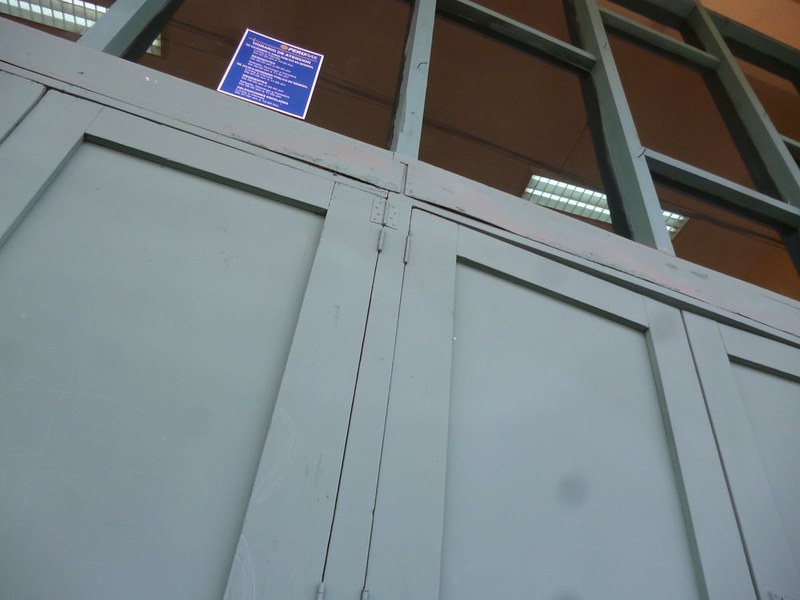
Closed train station
After lunch, I went in search of the train station so I could get my tickets changed immediately.
Since the train station was inconspicuously beside a grand church, I missed it the first time.
When I did find it, I was disappointed to see that the doors were closed. A little blue notice said the station was closed at 14:00, just 20 minutes before I got there.I
I sat on the steps with the other people. I was the most disappointed since they looked like sitting on steps were part of their daily lives.
I decided to head back to Ollantaytambo and try my luck at the station there.
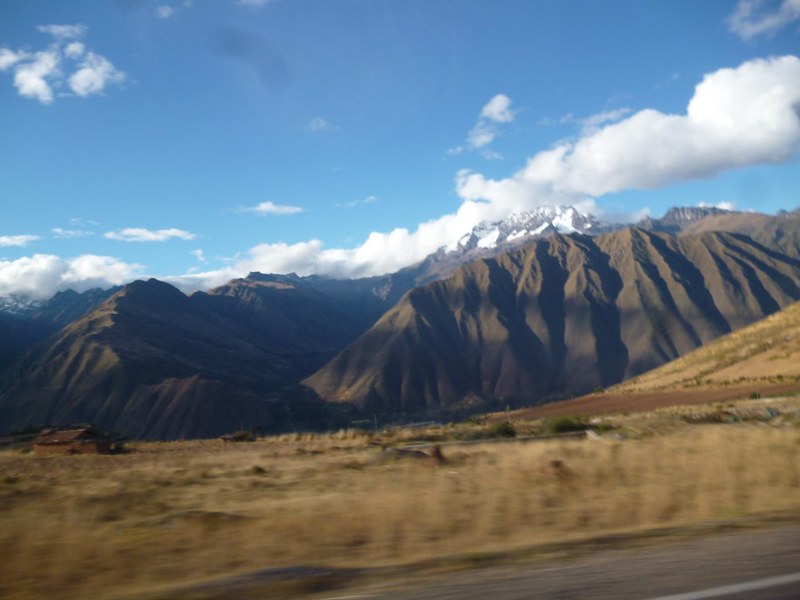
View along the road from Cusco to OllantaytamboSnowy mountains
Happy ending
Finding the mini-bus station back to Ollantaytambo was easy. Since I did the journey once, I knew where the buses were and got onto one of them.
I napped along the way and woke up to take a few photos. I decided on the bus that I will only change my return train ticket and leave the departure ticket and hotel booking as they are.
When I reached Ollantaytambo’s train station, the lady said there was only one train left and changed my date for only US$15.
The whole journey took 7 hours, not including panicking time in the beginning. I’m just glad that I have the entrance ticket. The only thing left is the hostel for Night 2 in Aguas Calientes which I think will be easy to find in the tourist-packed little town.
I’m sure the gods on Machu Picchu got bored with my little journey so they let everything pass in the end. Muchas gracias!
Surprisingly, my bus arrived on time at Ollantaytambo station. It was 6am and the inside of the windows of the bus were heavy with dew.
I collected my bags and decided to wait in the bus station until 7 before I catch a cab to the station where buses to Ollantaytambo are.
When the time came, I went out and waited a long while before a taxi I trust stopped. I didn’t want to follow those whose taxis were parked outside because of cautions I’ve heard in Arequipa. Still, the cabbie overcharged me but I accepted the price anyway.
It felt like a long way with many twists and turns before we reached the stop to Ollantaytambo. There was an empty van waiting and the driver ushered me in.
Shared van to Ollantaytambo
The driver put my bag on top of the van. I was afraid it might fly off from the roof but fortunately, he went off to buy ropes when we left the station.
However, it was a long while before he drove off. We waited for more people to get on the bus. I didn’t have anywhere to go so it was an OK wait.
I was sitting in the front row where an elderly lady in traditional clothing and two long black plaits joined me. Another man (who happens to know the lady) sat next to her.
While waiting, one of the mobile phones rang. I was delighted to find that it was a generic Chinese-song ringtone. Either the owner did not know how to change the song or he was happy with it.
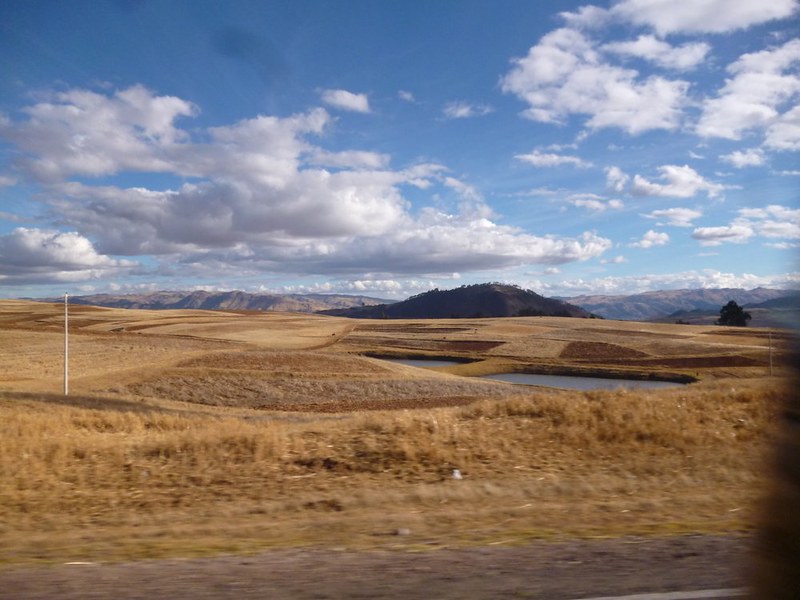
Finally, the bus was full and off we went. During the first part of the drive, I fell asleep. When I woke up, I saw an amazing sight. The mountains and the hilly fields were in patches of yellow (because of winter?) One of the fields even had a half-harvested wheat-like field.
Checking in Ollantaytambo
Narrow lanes of Ollantaytambo
The bus finally arrived in Ollantaytambo after about 2 hours. The driver noted that we were passing the main square (where I should have got off) but I didn’t react. I had to walk on about 1km of cobble stones to get to my hotel.
One of the guards on the street gave me wrong directions so I wound up on the wrong side of the little square. The tourist information ladies finally pointed me in the right direction.
Combined with the lack of sleep and stress, I was unpleasant at check in. The boy at the reception didn’t speak English and seemed not-so-familiar with alphabets and numbers.
When I found out that my room was given to a Ricardo and I had to move to my real room tomorrow, I was pissed. I raised my voice about disliking having to move around (communicated more with hand gestures than actual comprehensible Spanish) and questioned why the rooms were so expensive–US$30 a night!
I shouldn’t have done that because the poor boy was the only one working. I saw him clean the rooms, clean up the dining room and all sorts.
I calmed down when I saw that my room included a double bed and a single bed. After a nice hot shower and a hot cup of Ceylon tea, I was sane again.
I went off to explore, stopping for lunch at Heart’s Cafe.
I walked to the railway station to find a hotel nearby so I can check in immediately after coming back from Machu Picchu on Friday night. I found a local hotel (hospedaje) which charged only 30 soles a night (about half of my room in town). I paid the deposit and gave them a date. I had to go back when I realized that I gave them the wrong date.
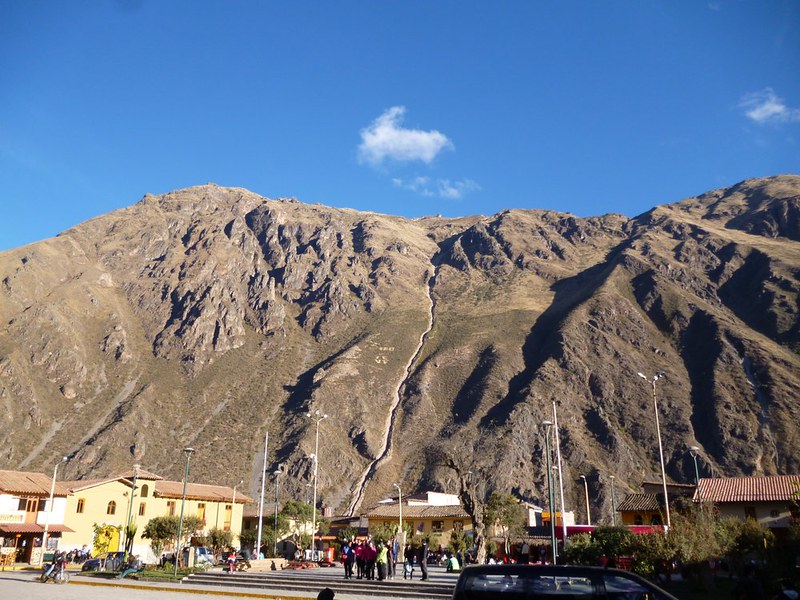
The rest of the day was spent trying to blog, heading to another cafe and being awed by the majestic mountains.
Majestic mountain near Ollantaytambo
Tomorrow, I shall start sightseeing.
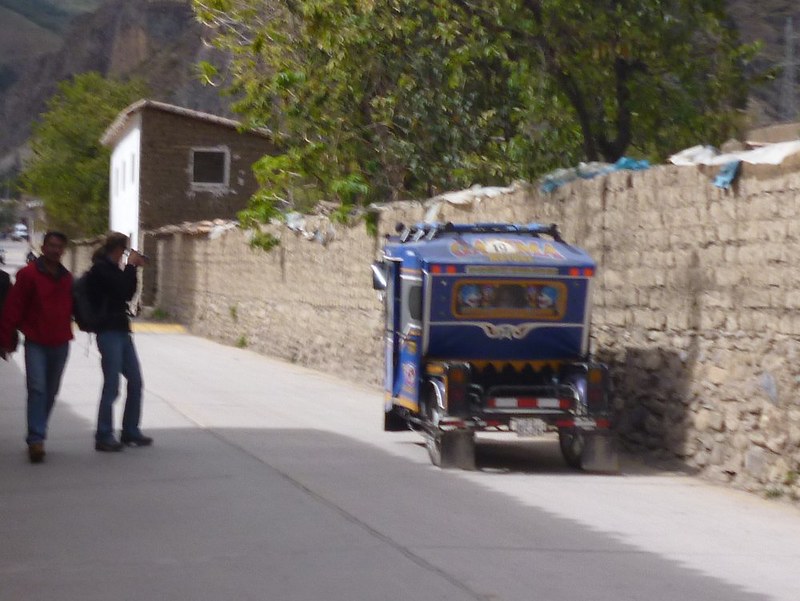
Tourists ask other tourist to take photos of them in a tuk-tuk.
I have been in Arequipa for two weeks. It’s kind of funny how I ended up staying in a place I’ve not heard about before my trip and which I only learned about at Iguazu Falls.
Not sure if I’ve told you the story about the Peruvian girl who told me that the weather in Arequipa is always warm and it is known as the City of Eternal Spring. I jot down the name in my iPhone notebook and forgot about it until I needed to plan my Peru trip in Santiago.
I’m glad I went to Arequipa. The language school I went to was great, stuffing my brain with different past tenses and some future tenses.
The city was beautiful with buildings built with limestones. Food in Arequipa was good too but I suppose this is true for Peru.
I didn’t do much on my last day in Arequipa. I finished packing and checked out of my room. Then I went to a cafe where Tripadvisor reviews promised good coffee.
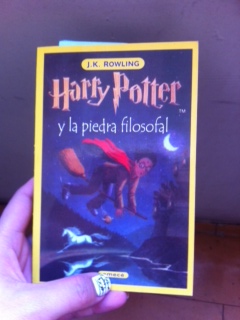
I managed to find “Harry Potter and the Philosopher’s Stone”. The book cost only 4 soles (S$2) and is surprisingly thin. But from the first chapter that I’ve glimpsed through, everything you need is still there.
Harry Potter and the Philosopher’s Stone in Spanish
Tasha (not her real name and previously known as N in my entries) still had her room with the hostel so she let me take a nap in the spare bed. How nice it is to be able to lie in a bed!
Finally, it was time for me to head to the bus station. I was really stressed out because the smallest note I had was a 50 soles note and about 4 soles in change.
The hostel didn’t have any change for 50 soles neither. I always find it funny when businesses do not have enough change lying around.
In the end, I had to tell my taxi driver that I only had a large note and that I was willing to be charged an extra 2 soles to get change back. He didn’t quite get it until the end but all was well.
On the taxi, the driver asked me if I am married/ do I like Arequipa/ when will I come back etc. I answered all of that in Spanish. (Not very good Spanish but still…)
10-hour Oltursa bus to Cusco
At the bus station, I found the Oltursa counter and started my check in process. At the counter, the guy weighed my suitcase, stapled a label with CUSCO on it and a serial number.
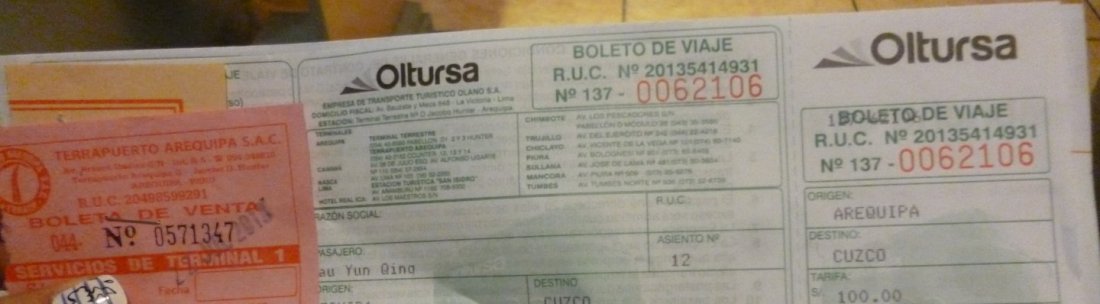
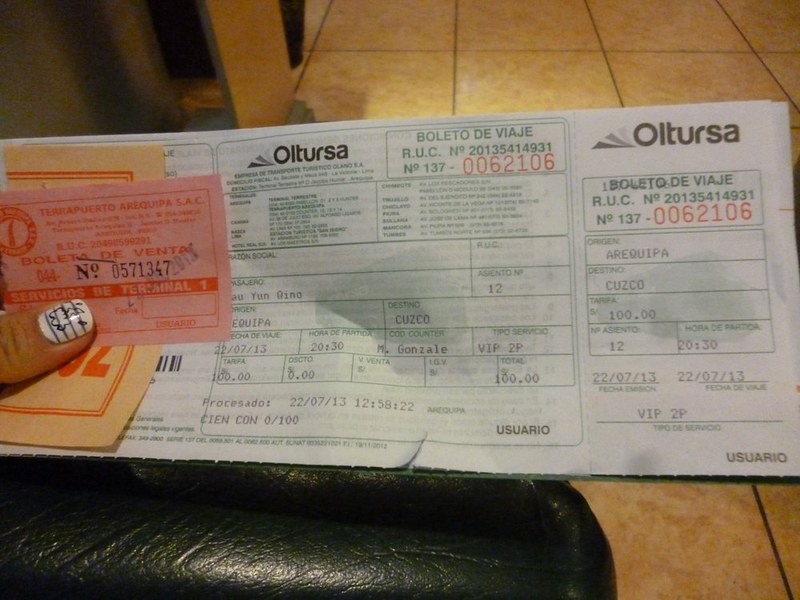
Oltursa bus ticketsOltursa check in counter
Then I paid the 2 soles “exit tax”. I find it funny that we need to pay bus terminal taxes like airport taxes.
There was also a carry on luggage check. The man felt my bags (all 4 of them) for what I think is alcohol because the video on the bus said no alcohol is allowed.
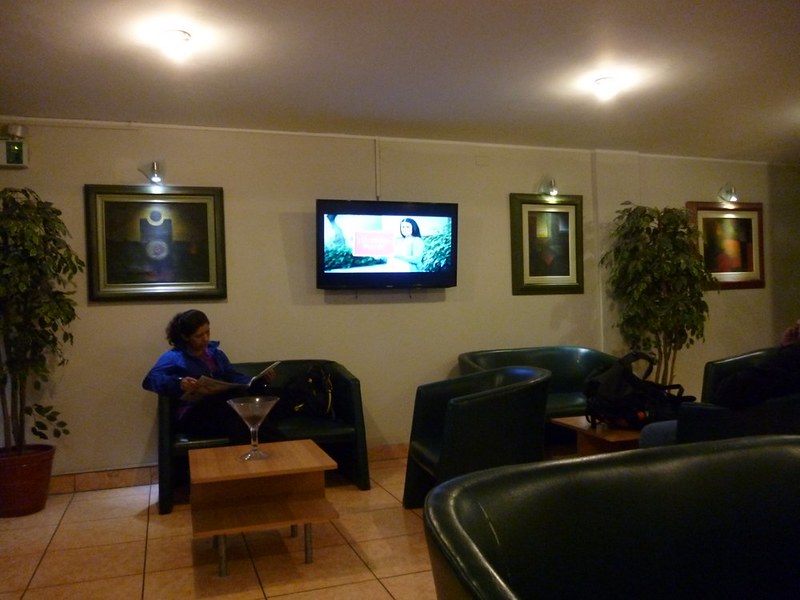
Then everyone hung out at the lounge. The lounge had comfortable sofas but not enough for every passenger. Thankfully I found a 1-seater sofa and hogged it with my stuff.
Oltursa lounge in Arequipa
Among all the passengers, I spotted 4 British girls while the rest seemed to be from Latin America. From what I’ve heard, Cruz de Sol has loads of foreigners. I’m kind of glad we didn’t have that many chatty foreigners on this bus.
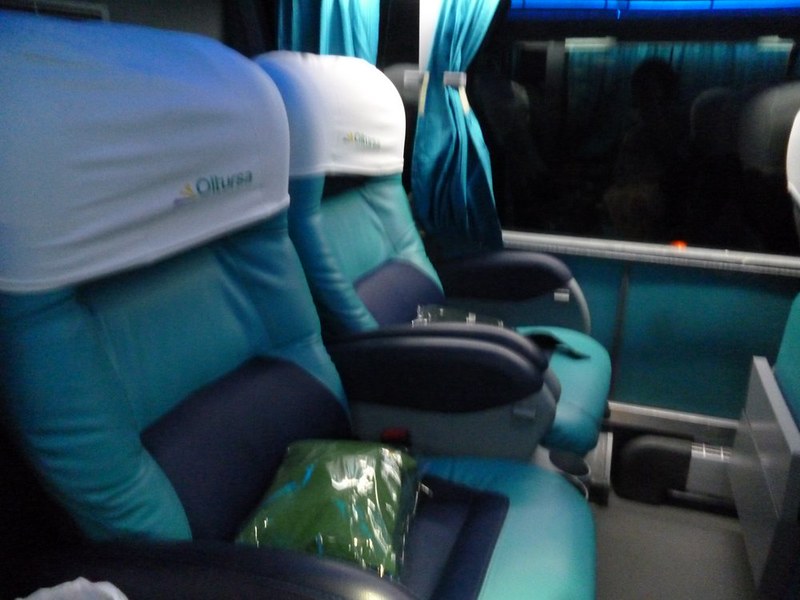
Soon it was time to board the bus. My seat was the very last on the lower floor. The facilities on the bus astounded me. This is definitely the best bus I’ve ever taken.
Oltursa cama seat
The seat is big with comfy cushions. There was a small pillow and a blanket waiting for me on my seat. On the right of my seat were two electric outlets. I immediately made use of it by charging my phone.
The seats are able to recline quite far but not enough to be called an actual bed although the type of seat is called “cama” (bed).
The bus left at 8:35pm, just 5 minutes after the scheduled timing. I guess that is considered really punctual in South America. (Not that Malaysian buses are any better.)
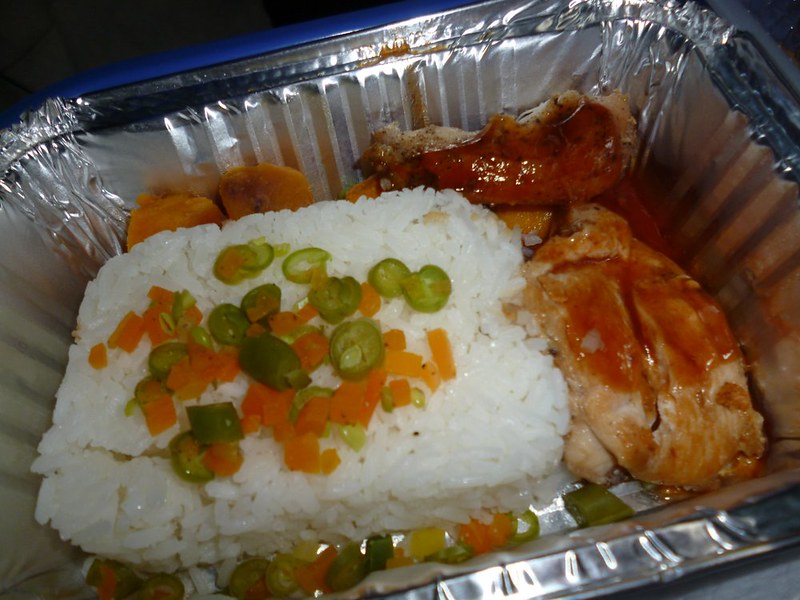
Once the bus started moving, we were served dinner. The main dish was rice and fish with a side of tequenos while the dessert was a rice and quinoa mix.
Main dish on Oltursa bus
There was either coffee or tea to go with the meal. The bus only had the teas preferred here: spiced tea with flavors such as anis, cinnamon and others. I still have a supply of ceylon tea from Sri Lanka so I chose to have that instead, along with a tea spoon of sugar.
There wasn’t any movie playing on board although there was a video of safety in Oltursa buses and some travel program about one of the destinations covered by the company.
I got ready for bed soon because there was nothing to do on board. My phone could not connect to the internet and I do not want to use my laptop because I have motion sickness when trying to read on a moving vehicle (trains and planes are alright though).
I sent mom a text message telling her how good the bus was. Her reply was that she could not read my message. I totally forgot that my Claro SIM card could not send out messages in Chinese. How is that even technologically possible?
Anyway, I went to bed in my seat with my eye mask and ear plugs. When I woke up for the toilet, I realized how cold it was outside as the little cubicle was freezing. As the bus swerved violently, I laughed out loud and my breath caught in my chest. Was this the work of altitude sickness, I dared not investigate and instead went back to my seat to sleep.
I spent the morning walking in the “rich” part of Arequipa with schoolmates N and S. When we got out of the hostel, I was surprised to find that the road was blocked.
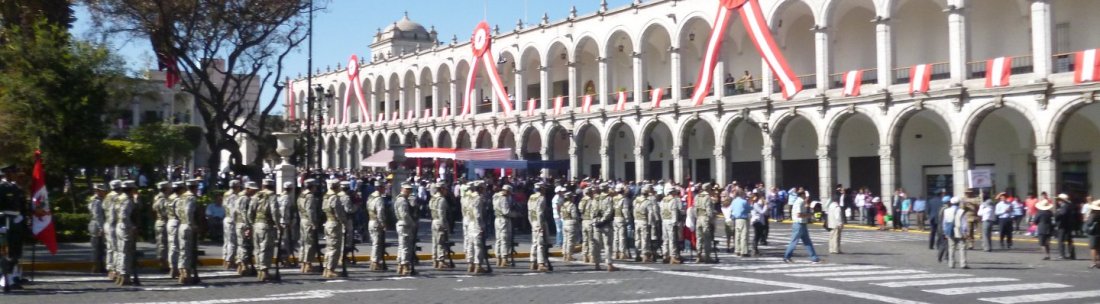
It turns out that there was a parade. Last week, there was one and today another. Does Arequipa have a parade every Sunday?
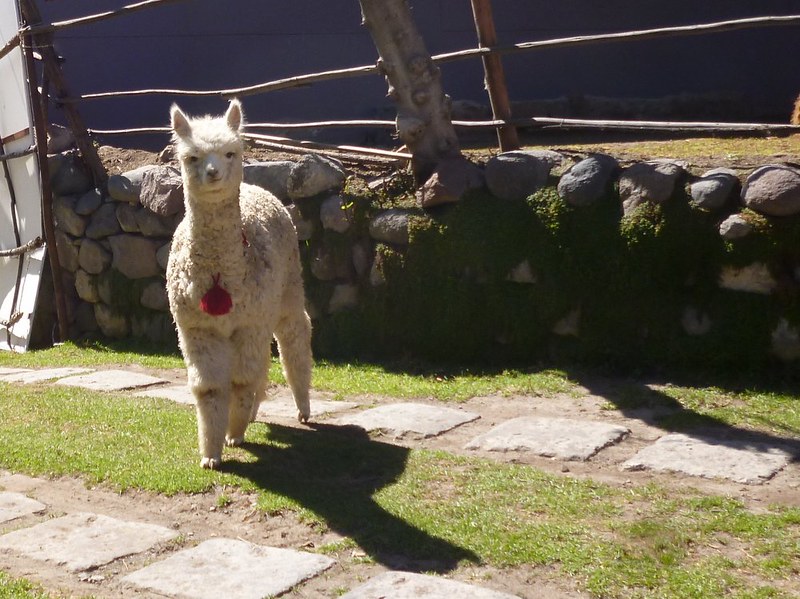
The walk in Selva was alright. There were modern houses and about 2 very large parks. One of the parks had a few alpacas but they kept away from the gates.
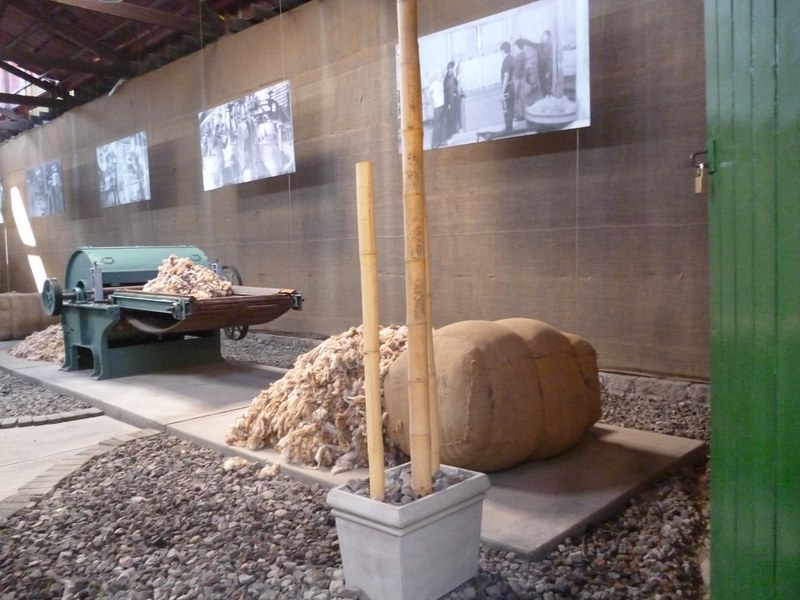
We also stopped by Mundo Alpaca (again!) at my request. This time, I saw the little machinery museum underneath the show area. On display, there were a lot of machines used in turning alpaca wool into stuff you can knit things with.
Machinery museum at Mundo Alpaca
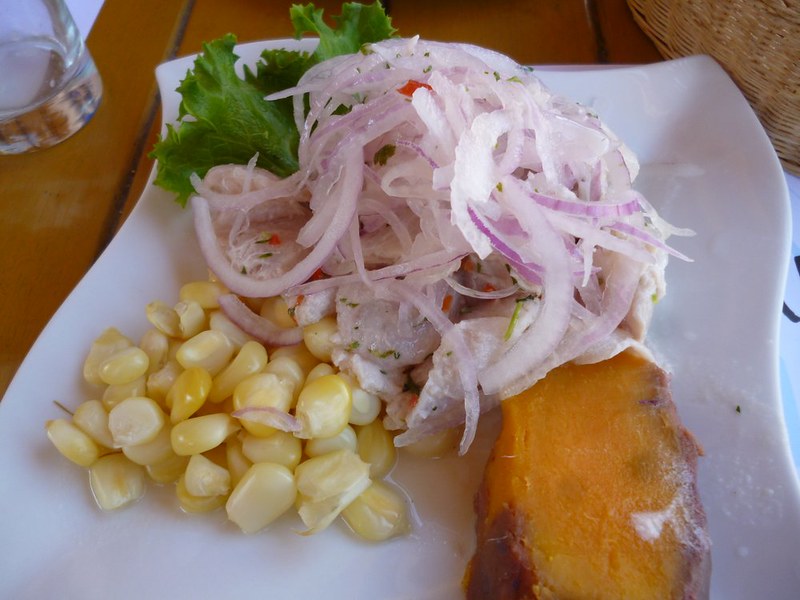
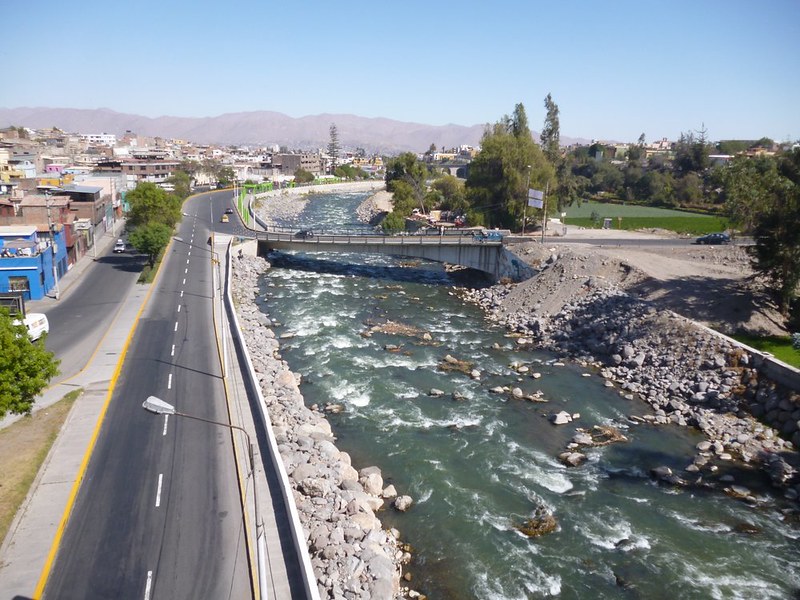
We walked across the bridge to Yanahuara area. Lunch was ceviche, probably my favorite dish in Peru. It reminds me a lot of Japanese sashimi.
Ceviche in ArequipaArequipa’s Rio Chili
We walked back to the hostel for a siesta. I didn’t really nap but spent my time doing more planning for the rest of my trip in Peru as well as watch TV.
Before 5pm, N came over to bring me to the Tango place. Some day ago, there was a lady passing out fliers for dance classes during the weekend. N who did tango in Argentina insisted that I go with her.
Unfortunately, the dance teacher was not there. Another local girl was waiting at the lobby as well. She called the dance teacher and told us that there was no class today.
We headed to Valenzuela for coffee. The drink wasn’t that fantastic but I got to cross off the place from my To Visit list.
We walked around before heading back to the hostel.
For dinner, I ate two pepino melon and made a submarino. Unlike the submarino in Buenos Aires, the one I made didn’t cause any stomach problems. I suspect it’s because I used my 0% lactose evaporated milk.
Despite the things I ate, my stomach craved something salty with animal protein. I still have to pack my bags for tomorrow’s check out at 11pm.
I’ll be taking a 10-hour bus from Arequipa to Cusco tomorrow evening. From there, I will head to Ollantaytambo before my train to Machu Picchu.
This morning at about 6am, my neighbors were getting out of bed and the floorboards squeaked like crazy. I fell back to sleep much later and woke up for breakfast after 9am.
I tested out the 0% lactose evaporated milk I bought from the supermarket. I made lactose-less kopi C and it tasted well. I’ll write a full report for next Friday. Stay tuned!
After breakfast, I decided that I need to start planning my trip to Machu Picchu. I only have 2 weeks left in Peru and I don’t want to screw up my main reason here in South America.
I talked to the little travel table at the hostel. The guy quoted a US$270 package from Cusco to MP and back. He also said it’s quite easy to book the tickets myself.
So I started checking out the sites for trains to Machu Picchu’s nearby town–Aguas Calientes–and the tickets for the site.
I was a tiny bit disappointed to find out that the combination of Machu Picchu and Huayna Picchu were all sold out until September. (Don’t worry, there are still tickets to MP.)
Booking train tickets were a bit tough too. The original date that I plan to go did not have cheap return train tickets so I pushed everything to one day later.
For now, I have my return train tickets from Ollantaytambo to Aguas Calientes but not the entrance tickets to Machu Picchu because I needed to pay the entrance fee at a bank. I plan to buy the entrance tickets when I get to Aguas Calientes.
Baby Alpacas again!
After the tiring ticket buying, I set off to take the bus to the supermarket near where I used to stay with my homestay family. I walked all the way down Santa Catalina and realized that I was only 500 meters away from the cute baby alpacas.
I was not sure how Milk (the white baby alpaca) escaped from the pen but it was calmly grazing and eating the tips of the flowers when I spotted it. I never got to pet it because it kept running away.
White baby alpaca at Mundo Alpaca
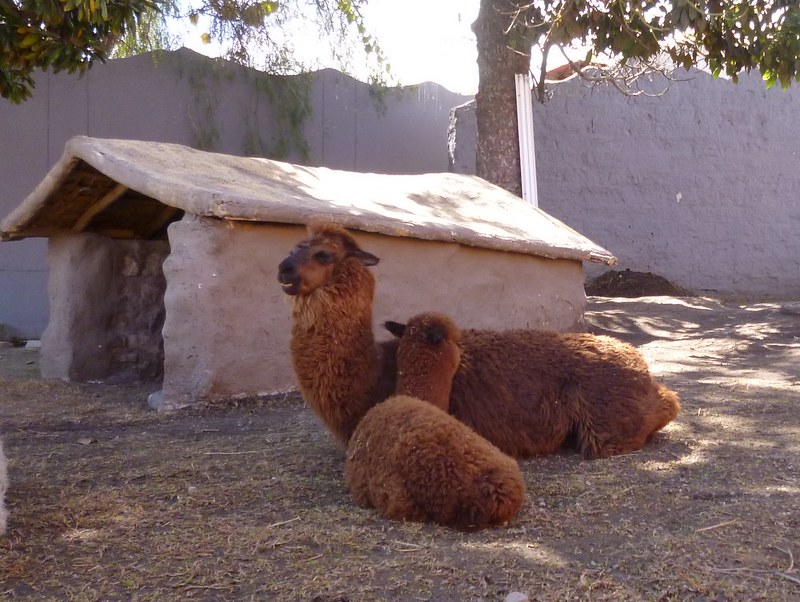
I saw baby Coffee (the brown baby alpaca) resting its neck on a bigger alpaca which I hope is its mom. They were so cute.
The baby alpaca snuggled against its mother and it was so adorable~~
Brown baby alpaca with mom
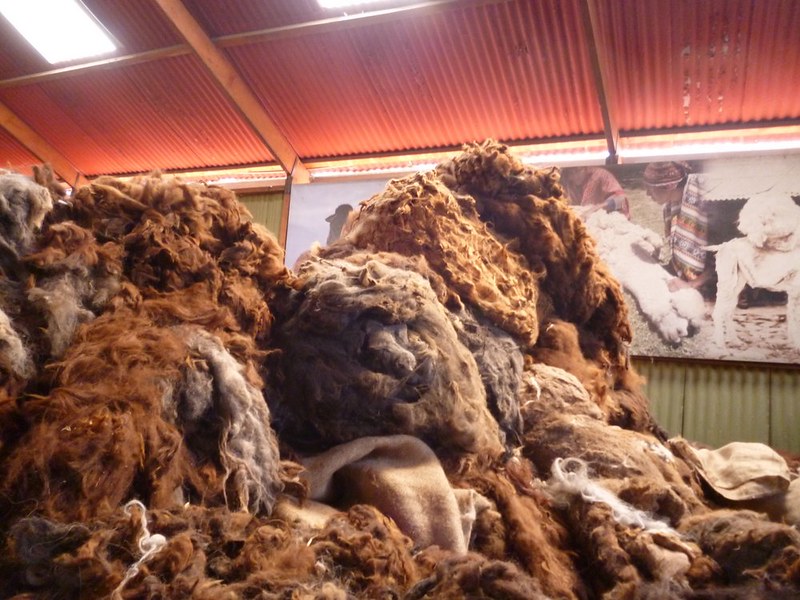
At Mundo Alpaca, there’s also loads of sheared alpaca wool. I snuck away one pinch of it. Shhh!
Bales of alpaca wool
After Mundo Alpaca, I walked back to the main street for the bus. Luckily, I found one which had an empty front seat.
The traffic on the main avenue was quite bad and the bus crawled until I reached my stop.
View of Arequipa from the inside of a combi.
After having a ceviche at a restaurant recommended b one of the teachers, I headed to the supermarket where I couldn’t find cheap cotton pads. Can you imagine, one cotton pad here costs S$0.35. That’s quite expensive!
I was hungry for something else so I stopped by the supermarket cooked food area. I was horrified to find out that the lady reheated my chicken drumstick in the microwave on a Styrofoam plate.
After the meal, it was time to head back to the city center. It took a long time before I found a relatively empty bus (meaning it’s not crammed from the front to the back with human bodies) and I got on.
A quick summary of the rest of the day: quick walk to the market; watch Batman Return in Spanish; have dinner; head back and blog.
I’ve decided to extend my stay in Arequipa to Monday. One of the main reason is that I really really dislike the act of travelling (getting from Point A to Point B) so I want to delay my 10-hour bus ride from Arequipa to Cusco.
Today was the last day of Spanish class. Both my teachers gave me farewell gifts–a book of coupons and a box of chocolates. That was really sweet of them.
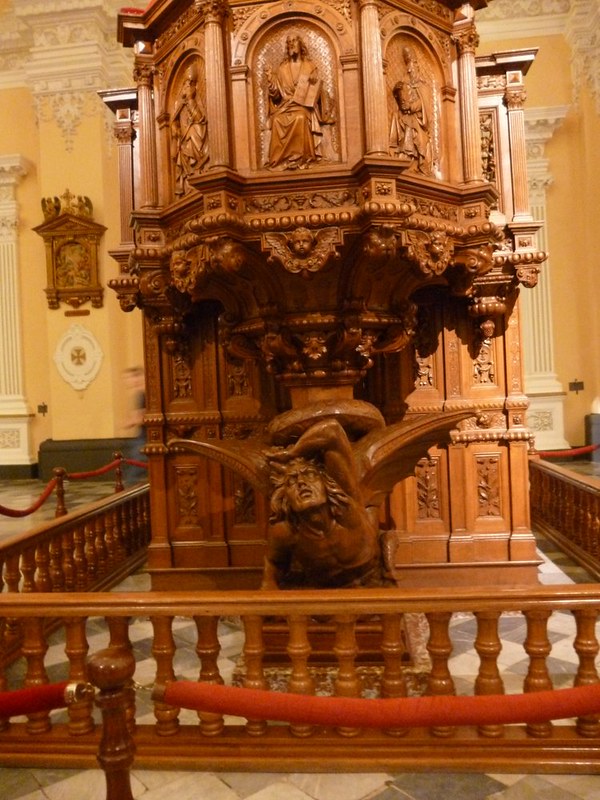
In the evening, I visited the Basilica Cathedral of Arequipa which only opens at 7am and 5pm. The church has a wooden “devil” crushed under something heavy.
The devil in the Basilica Cathedral of Arequipa
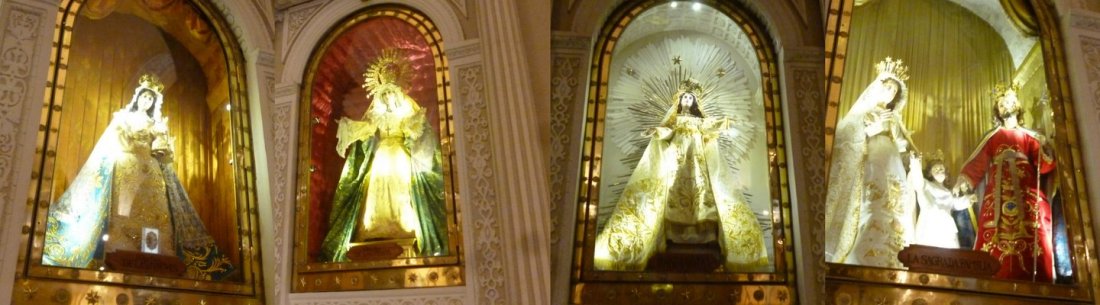
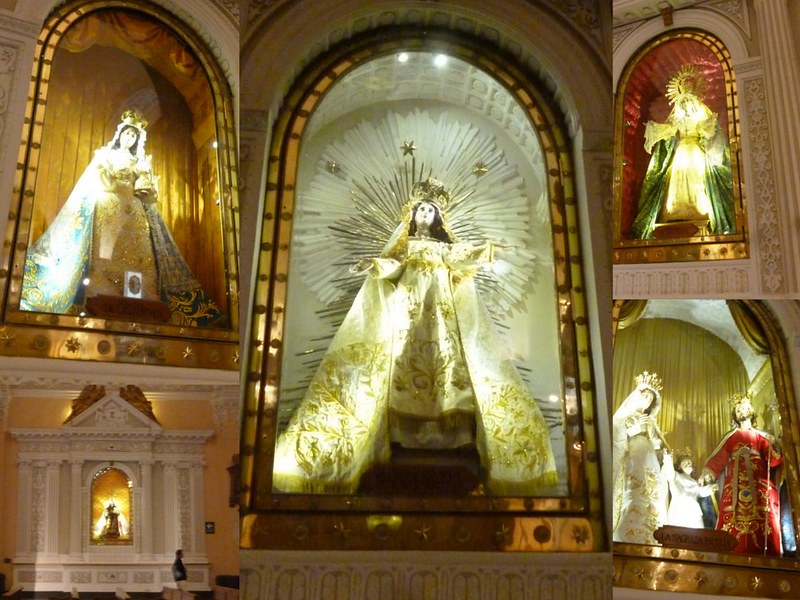
The basilica also has a few dolls dressed up in lavish dresses and some with beads of tears on their face.
Dolls in the church
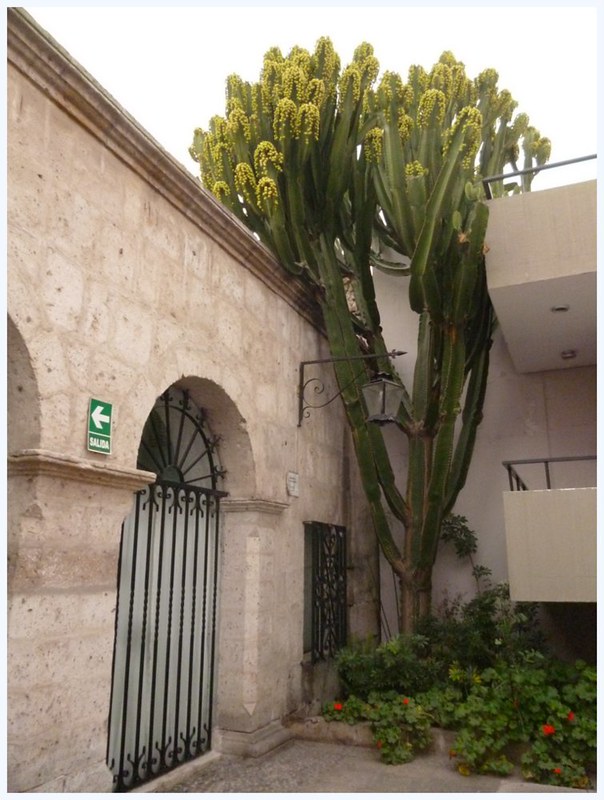
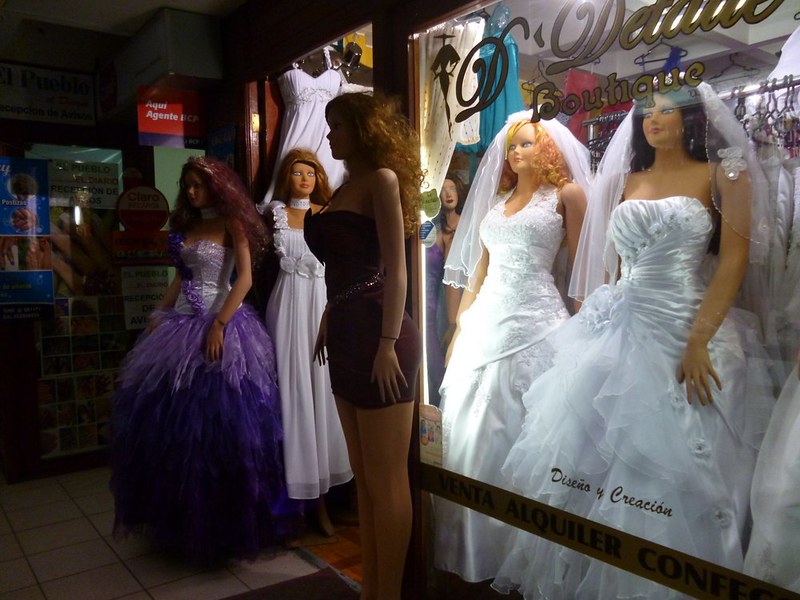
Other interesting photos for the day were:
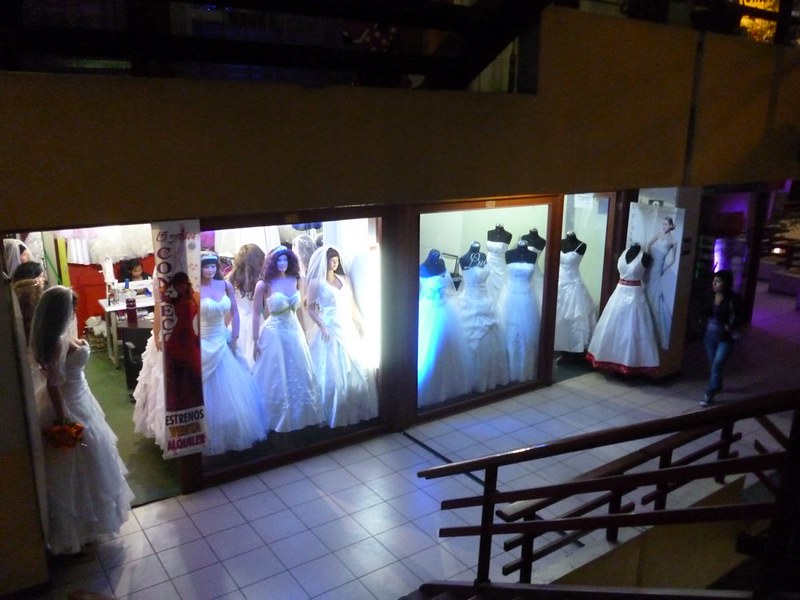
Two-storeyed cactusSlightly creepy manequins for wedding dressesWedding dresses in Arequipa
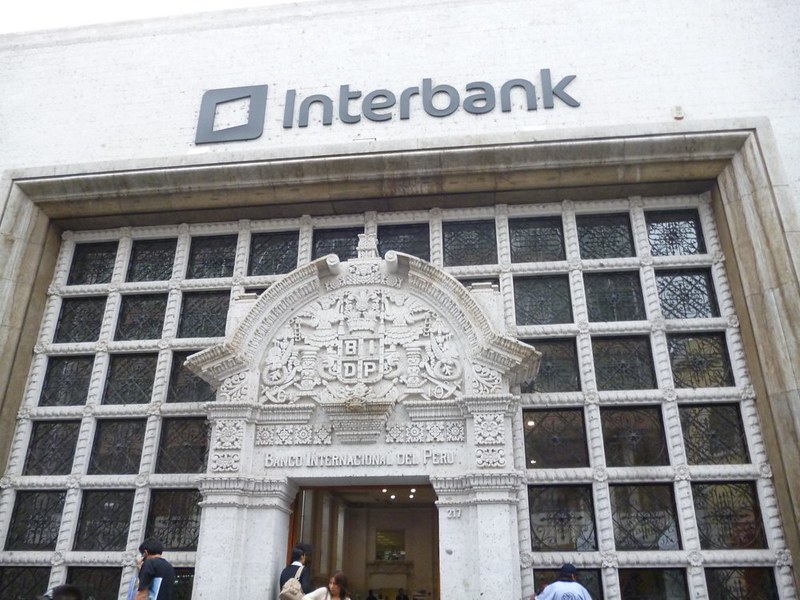
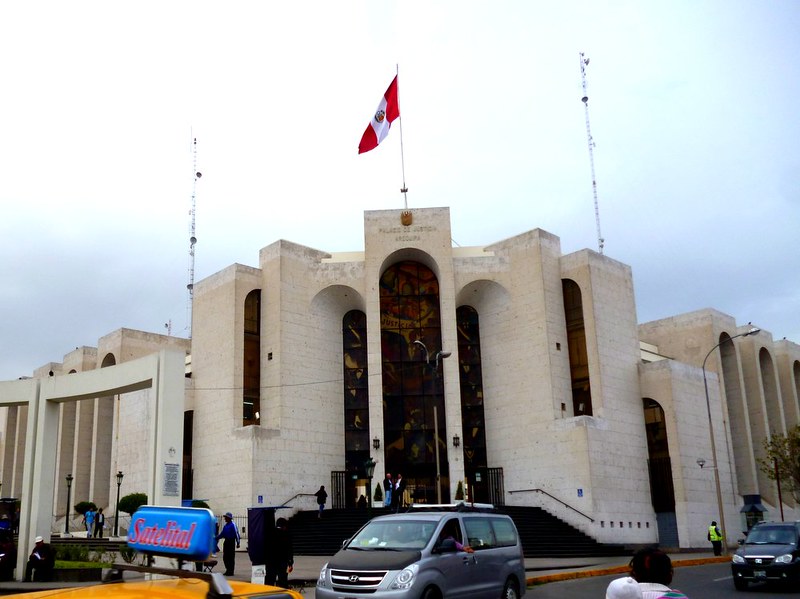
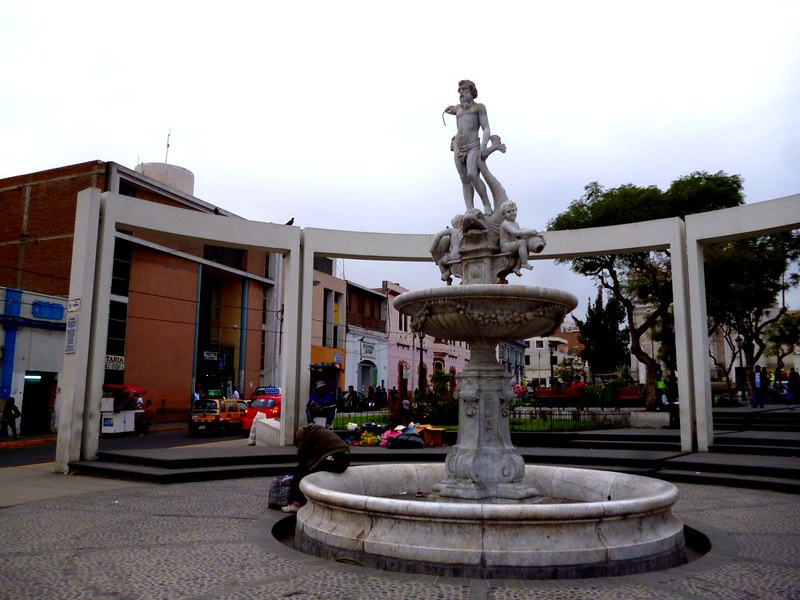
I’ll leave you with a few photos of the sights in Arequipa from earlier in the afternoon.
Beautiful door at Interbank in ArequipaArequipa’s municipal theaterCourts of Arequipa (?)
Welcome to YQtravelling’s FoodFriday–the day of the week when I show off some of the lovely eats I had while travelling.
Today’s post is a special feature where I teach you how to cook instant noodles in a hostel. Let’s get cooking.
Last month, I showed you how to cook a steak in a hostel. Today, I want to show you how to cook instant noodles in a hostel.
OK, I caved in and ate instant noodles in my hostel in Arequipa, Peru. The result wasn’t that good but if you need to eat, you need to eat.
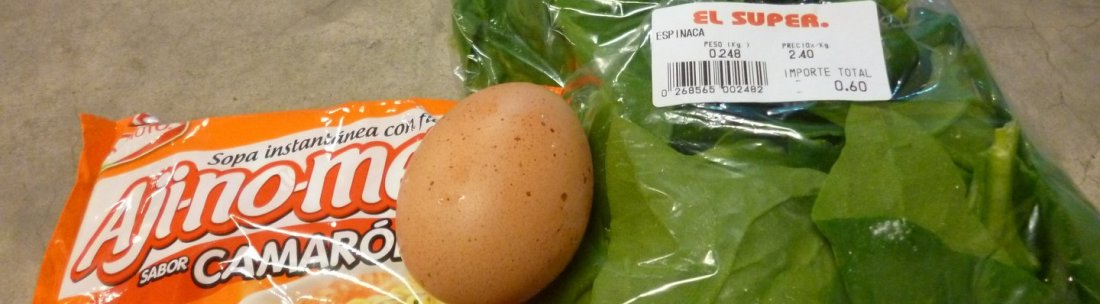
For this recipe, you will need
One instant noodle
One egg
Some vegetable
Pot with cover
Water
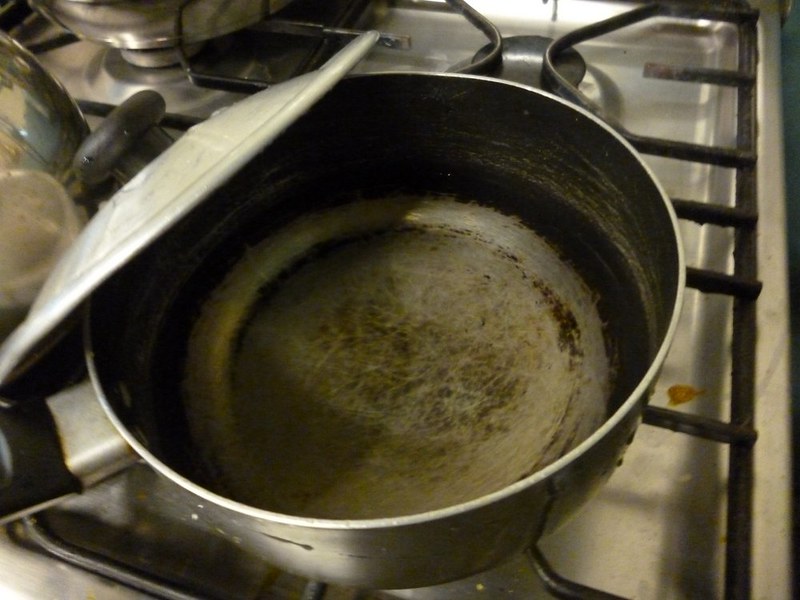
Step 1: Boil some water in the pot
Get the water to a boil to cook the noodles.
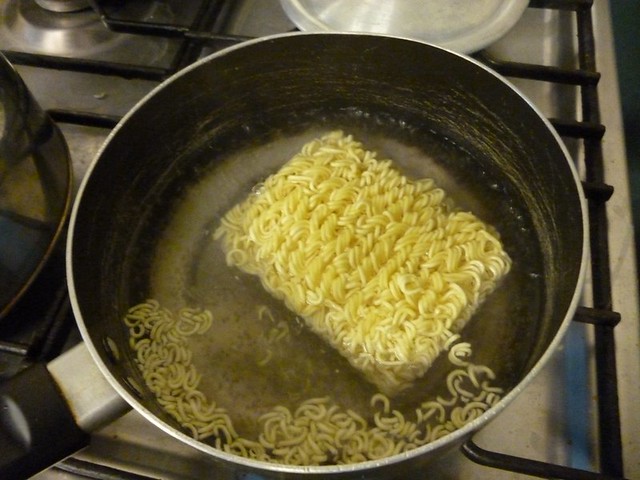
Step 2: Cook the noodles
Cook the noodles.
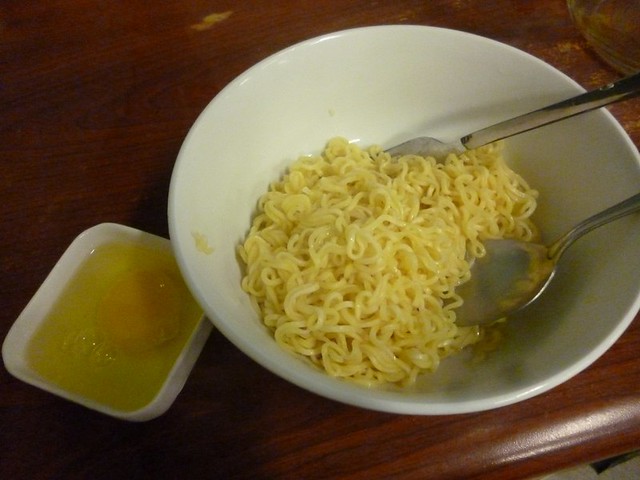
I don’t time my cooking and wait for the noodles to disintegrate from brick of noodles.
Take out the separated noodles and put them into a bowl.
Step 3: Make the soup with new pot of water
Pour out the noodle water and wash the pot.
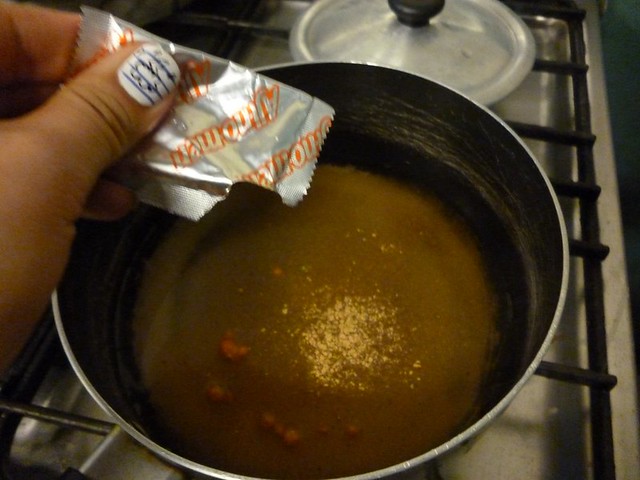
Boil another pot of water but don’t use too much because you don’t want thin soup. While you wait for the water to boil, put the seasoning into the water.
I usually use part of the seasoning, pinching one corner of the packet so those seasoning do not fall into the soup. This results in disgustingly underseasoned noodles but that’s how I roll.
Step 4: Cook the vegetable and egg
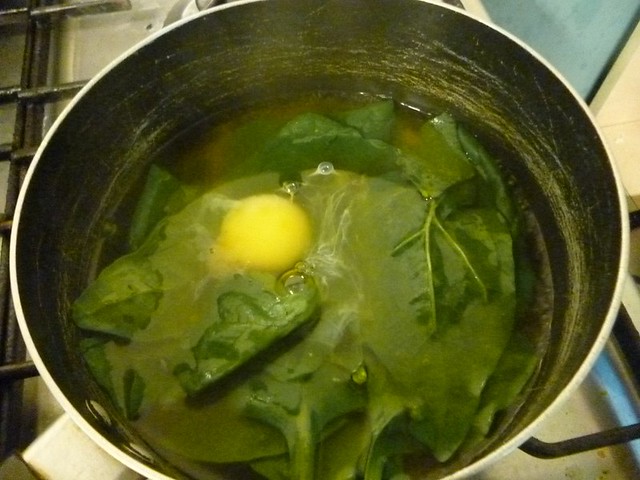
If you have more vegetable than water, cook your veggies in batch. Blanch your veggies until they turn a darker shade. Take the veggies out into the bowl.
When you have your last batch of veggies, you can crack the egg into the soup. Break up the egg if you want floating pieces of eggs or leave it untouched.
Step 5: Serve
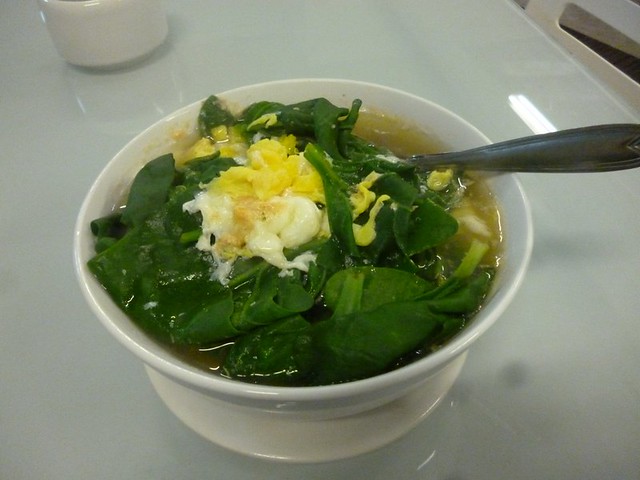
When the egg is cooked to your preference, pour the soup into your bowl of noodles.
Do you have any secret recipe for yummy instant noodles? Share them in the comments.
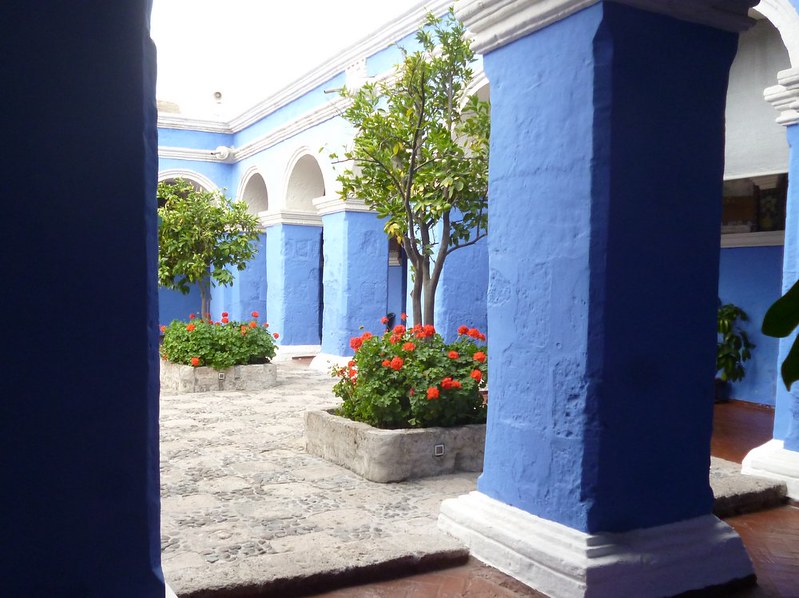
Santa Catalina Monastery is one of the most important sights in Arequipa. The monastery is known as a city-in-a-city because the nuns were quite self sufficient.
The entrance fee is 35 soles (S$17.50) which is quite expensive for Peruvian price. One of the tour guides in the monastery approached me and said the usual rate for a 1-hour guided tour is 20 soles (S$10).
With a guide, you will know more about the history of the monastery and hear interesting stories.
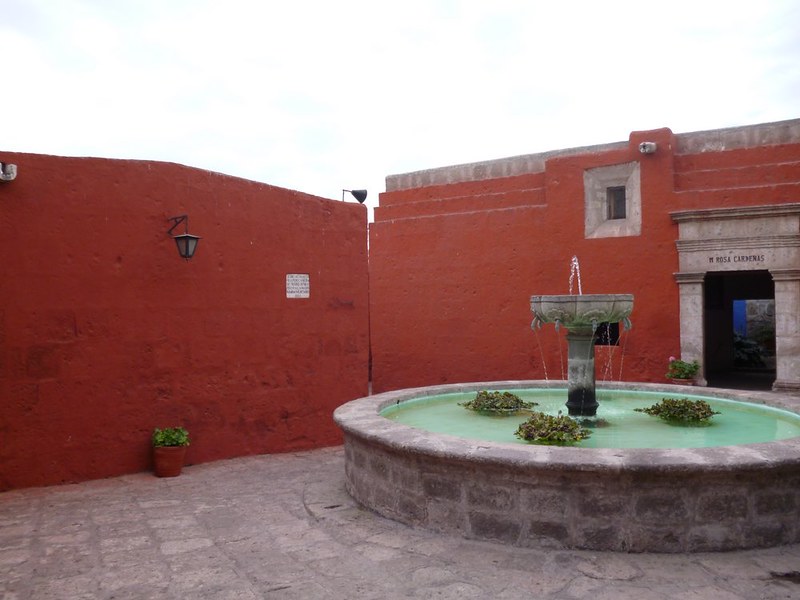
Fountain in Santa Catalina
Back when the monastery started, it was a period when the people in Arequipa followed Spanish customs and sent their second child into the church. “To pray for the whole family,” said my guide.
It was an honor to go into church and become a nun. The girls who entered the church were from upper class family. The families were able to afford building houses for their daughters which is why there are separated houses–complete with a bedroom, a kitchen and a servant’s room for the smallest houses.
The custom of having servants for the nuns stopped when one of the Pope Pius required the nuns to live together and share a same kitchen so they can understand how the poor live.
Now, there are still nuns staying in the monastery but they live in a separate section, called “New Monastery”. They make cookies, soap and perfumed rosaries which are sold in a small shop in the old monastery.
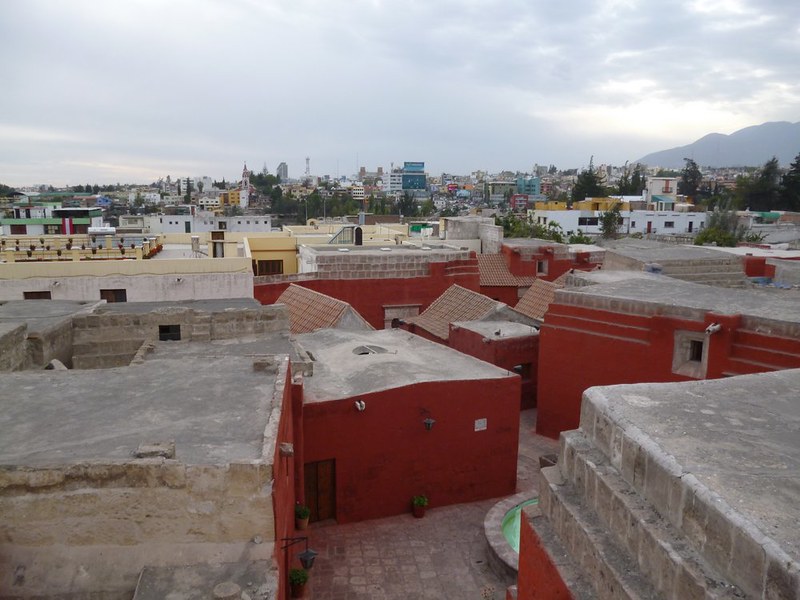
View from Santa Catalina’s top
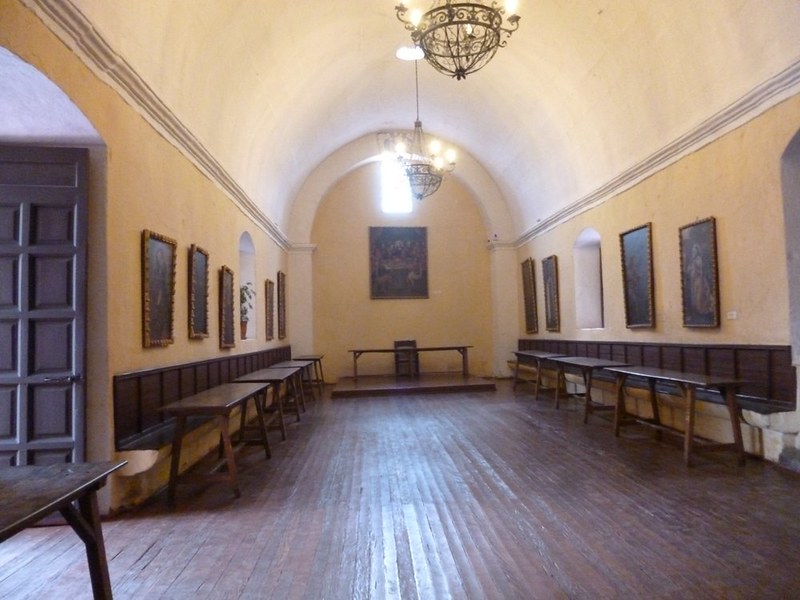
At the end of the tour, we reach the paintings hall where religious painting by the Cusco School are displayed.
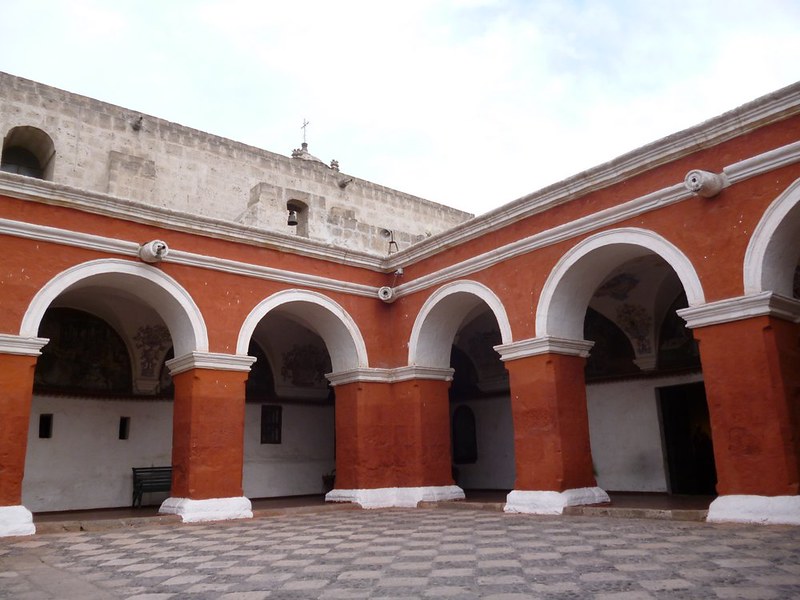
Santa Catalina archesHall in Santa Catalina where nuns ate












 YQtravelling